


Textile Testing Equipment List for Modern Labs (2026 Guide)
Textile Testing Equipment List for Modern Laboratories (Complete Guide)
Textile testing plays a critical role in ensuring the quality, durability, and compliance of fabrics used in garments, home textiles, and industrial applications. With increasing global competition and strict export requirements, modern textile laboratories must be equipped with advanced testing instruments to maintain consistent quality standards.
Why Textile Testing Equipment is Important
Before selecting equipment, it is important to understand why textile testing is necessary:
- Ensures product durability and performance
- Meets international standards (ISO, ASTM)
- Reduces production defects
- Enhances brand reputation
- Supports export compliance
Without proper testing, manufacturers risk product rejection, financial loss, and customer dissatisfaction.
Essential Textile Testing Equipment List
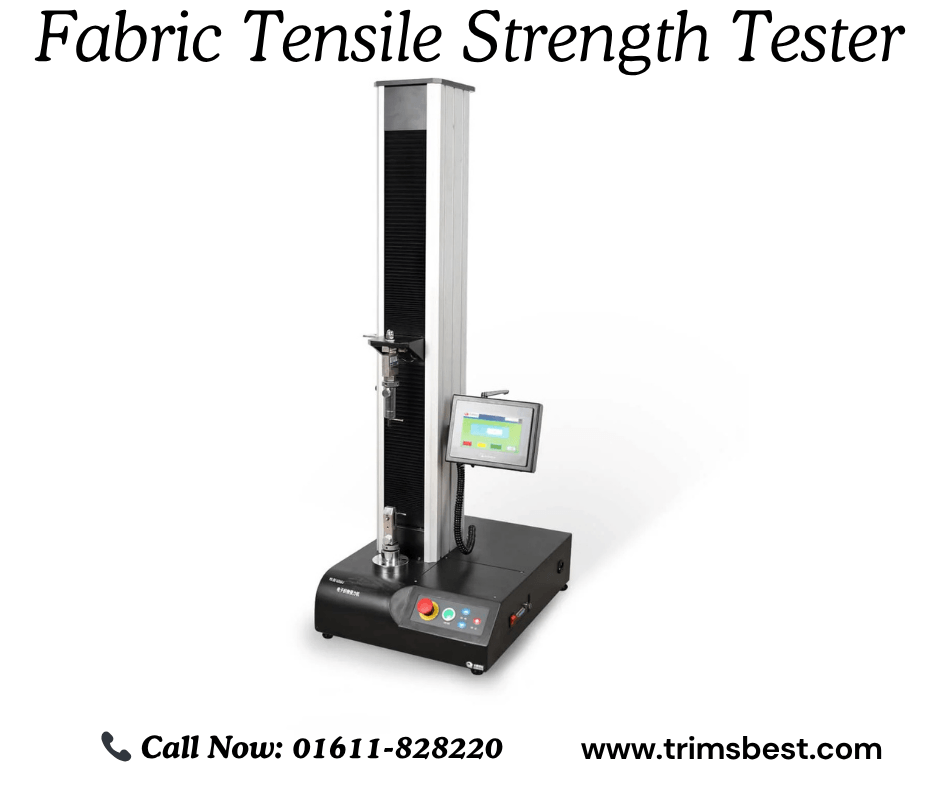
1. Tensile Strength Tester
A tensile strength tester measures the force required to break fabric. It is one of the most important tools in any textile lab.
Key Functions:
- Measures fabric strength
- Determines elongation
- Tests seam strength
Applications:
- Garment manufacturing
- Industrial textiles
- Quality assurance labs
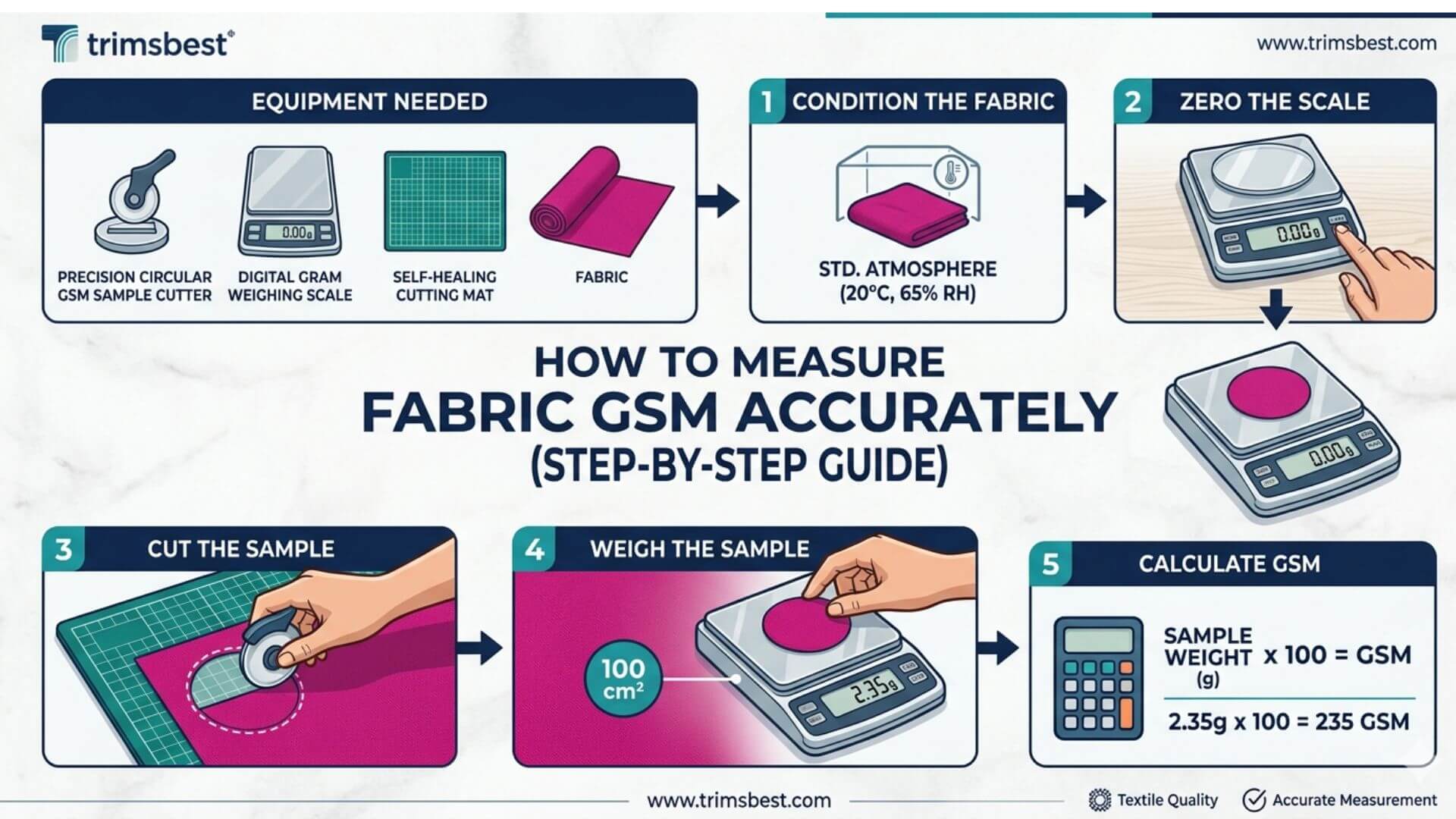
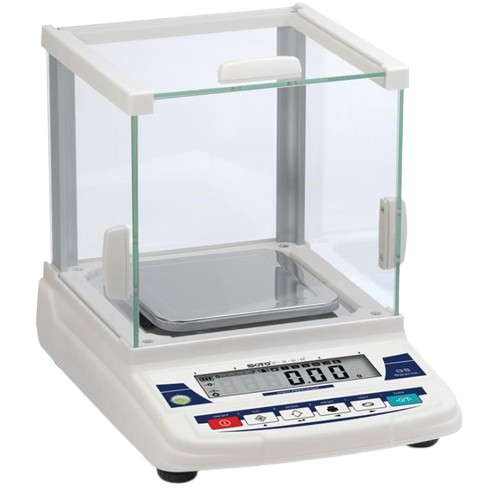
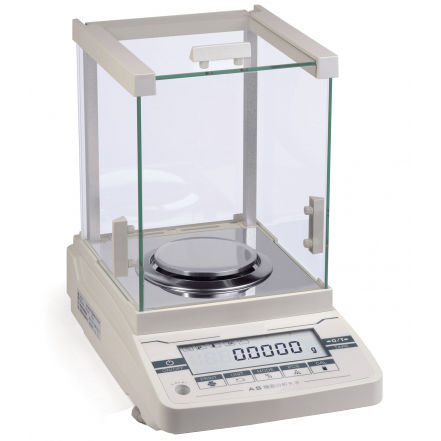
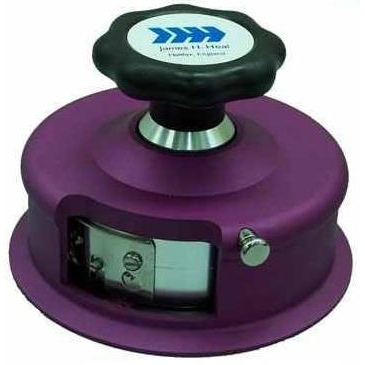
2. GSM Cutter and Digital Balance
GSM (grams per square meter) determines fabric weight.
How it works:
- Fabric sample is cut using GSM cutter
- Sample is weighed using precision balance
- GSM value is calculated
Importance:
- Helps maintain fabric consistency
- Critical for pricing and production planning
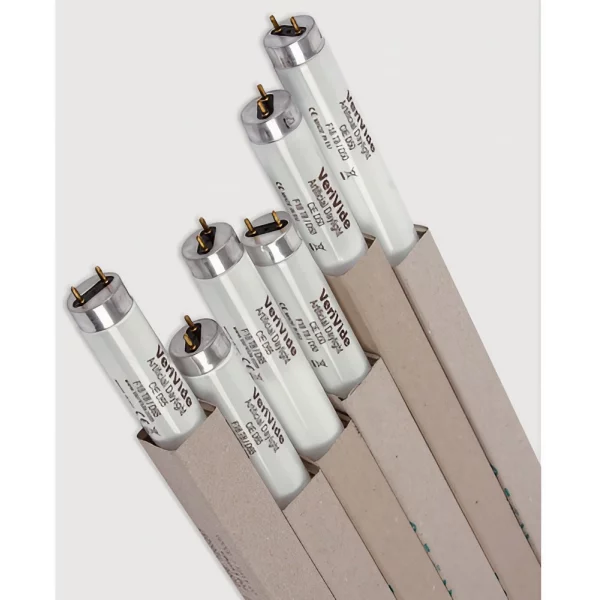
3. Color Matching Light Box
Color consistency is crucial in textile production. A light box allows evaluation under different lighting conditions.
Features:
- Multiple light sources (D65, TL84, UV)
- Controlled environment
- Accurate color comparison
Benefits:
- Reduces color mismatch
- Ensures buyer approval
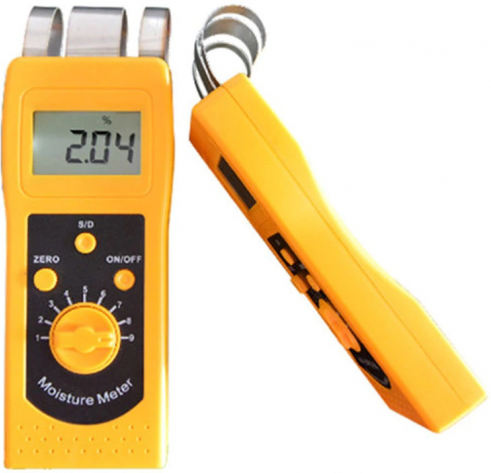
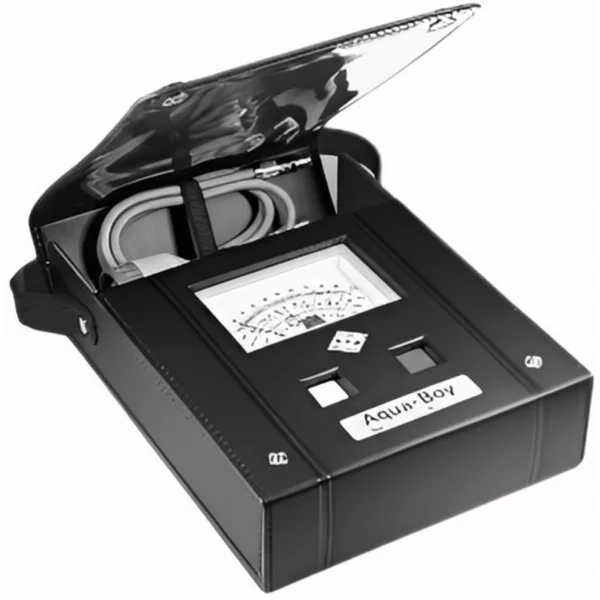
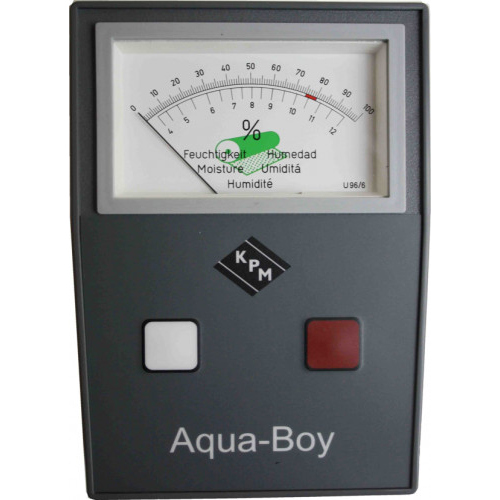
4. Moisture Meter
Moisture content affects fabric quality and weight.
Uses:
- Measures moisture in fibers
- Prevents mold and damage
- Ensures proper storage conditions
5. Shrinkage Template
Shrinkage testing ensures fabric maintains its size after washing.
Applications:
- Apparel production
- Fabric development
- Export compliance
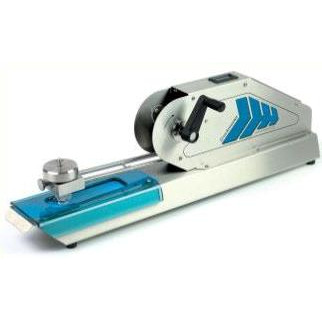
6. Pilling Tester
Used to evaluate fabric surface resistance to pilling.
Importance:
- Improves product appearance
- Enhances durability
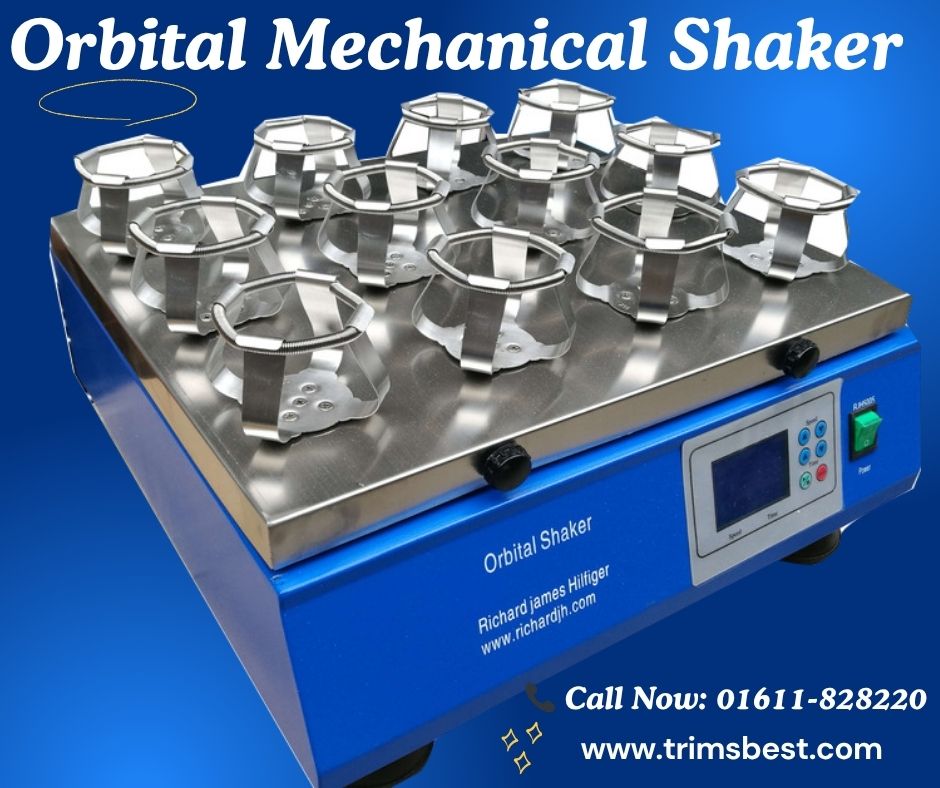
7. Color Fastness Tester
Checks resistance to washing, rubbing, and light exposure.
Key Benefit:
- Ensures long-lasting color quality
Advanced Textile Testing Equipment
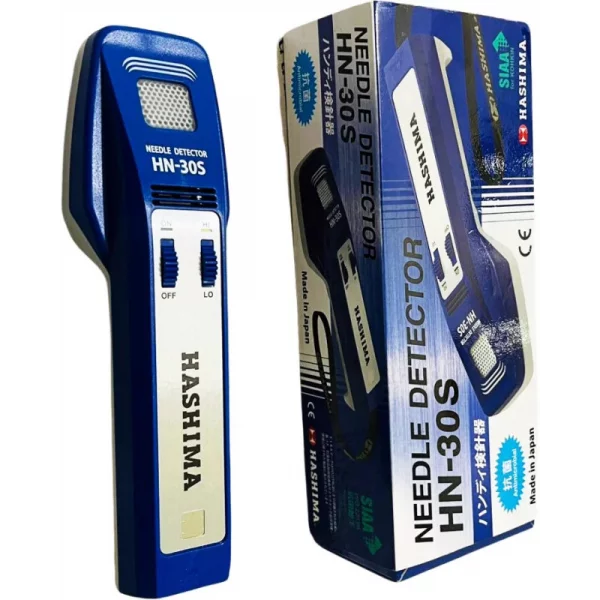
For modern labs, advanced machines include:
- Martindale Abrasion Tester
- Bursting Strength Tester
- Air Permeability Tester
- Crock Meter
These tools are essential for export-oriented factories.
How to Choose the Right Equipment
When selecting textile testing equipment, consider:
✔ Accuracy & Standards
Ensure compliance with ISO/ASTM standards.
✔ Durability
Choose machines with long lifespan.
✔ Supplier Reliability
Work with trusted suppliers (like your business).
✔ Budget Planning
Start with essential equipment and expand later.
Textile Lab Setup Tips
- Allocate proper lab space
- Maintain temperature & humidity
- Calibrate equipment regularly
- Train staff properly
Tensile Tester product
GSM Cutter product
Light Box product
A well-equipped textile laboratory is essential for ensuring product quality, meeting global standards, and maintaining customer satisfaction. By investing in the right testing equipment, businesses can improve efficiency, reduce defects, and gain a competitive advantage.
👉 For professional textile testing equipment in Bangladesh, contact Trims Best Ltd. for expert solutions.