

How to Use Color Assessment Cabinet Light Box (Step-by-Step Guide 2026)
How to Use Color Assessment Cabinet Light Box (Step-by-Step Guide)
Color consistency is one of the most critical quality parameters in the textile and garment industry. Even a slight variation in shade can result in product rejection, customer dissatisfaction, and financial loss. To ensure accurate color evaluation, laboratories and production units rely on a specialized device known as a color assessment cabinet light box.
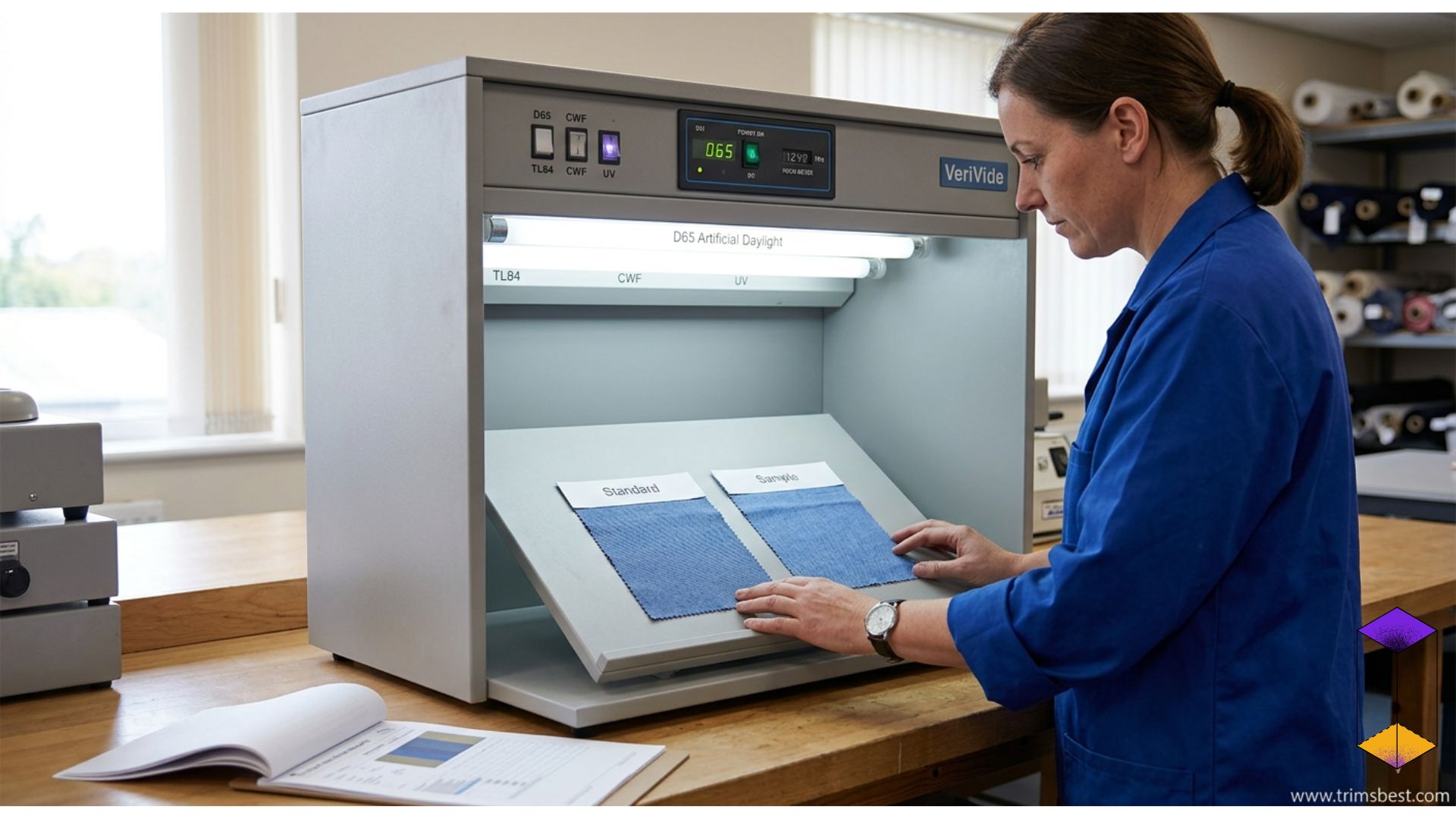
A color assessment cabinet provides controlled lighting conditions to evaluate fabric color under different light sources such as daylight (D65), store light (TL84), and ultraviolet (UV). This process helps detect metamerism (color variation under different lighting conditions), ensuring consistent color matching.
In this complete guide, you will learn:
- What a color assessment cabinet is
- Why it is essential in textile testing
- Step-by-step usage guide
- Common mistakes to avoid
- Buying tips for laboratories
- Applications in textile and garments
What is a Color Assessment Cabinet Light Box?
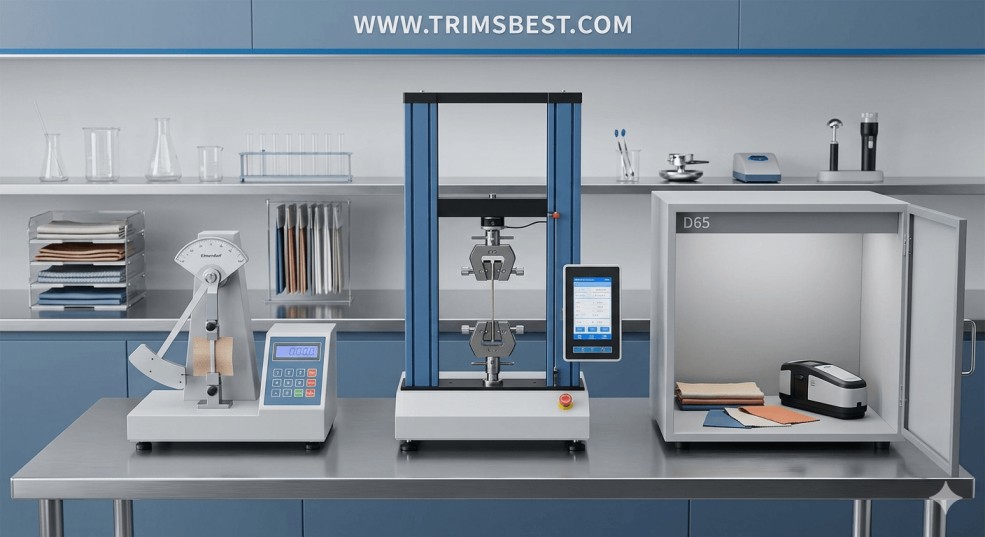
A color assessment cabinet (also known as a light box) is a controlled environment used to evaluate color accuracy under standardized lighting conditions.
It is widely used in:
- Textile testing laboratories
- Garment factories
- Dyeing and finishing units
- Quality control departments
Key Features of a Light Box
- Multiple light sources (D65, TL84, UV, F/A)
- Controlled lighting environment
- Neutral background for accurate comparison
- Consistent and repeatable results
Why Color Assessment is Important
Prevents Color Mismatch
Different lighting conditions can make the same fabric appear different.
Ensures Buyer Approval
Export buyers require strict color consistency.
Improves Product Quality
Accurate color matching enhances brand reputation.
Reduces Rejection Rate
Minimizes costly returns and rework.
Understanding Light Sources
A color assessment cabinet includes multiple light sources:
D65 (Daylight)
- Simulates natural daylight
- Most commonly used standard
TL84 (Store Light)
- Represents retail lighting
- Used for showroom evaluation
UV Light
- Detects optical brighteners
- Important for white fabrics
F/A (Incandescent Light)
- Simulates home lighting
Step-by-Step Guide to Using a Color Assessment Cabinet
Step 1: Prepare the Environment
Before using the light box:
- Ensure the room is clean
- Avoid external light interference
- Maintain standard lab conditions
Step 2: Turn On the Light Box
- Switch on the cabinet
- Select the required light source (D65 recommended)
- Allow 2–5 minutes for stabilization
Step 3: Place the Samples
- Place fabric samples inside the cabinet
- Ensure they are flat and wrinkle-free
- Position samples side by side
Step 4: Observe Under Different Lights
Check samples under:
- D65
- TL84
- UV
This helps detect color variation (metamerism)
Step 5: Compare with Standard
- Use a reference sample
- Compare color visually
- Check for shade variation
Step 6: Record Results
- Document observations
- Note any differences
- Follow standard reporting format
What is Metamerism?
Metamerism occurs when two colors appear identical under one light source but different under another.
Why It Matters:
- Causes major quality issues
- Leads to product rejection
Light boxes help detect this problem effectively.
Applications of Color Assessment Cabinet
Textile Industry
- Fabric color matching
- Dyeing quality control
Garment Industry
- Shade approval
- Batch consistency
Printing Industry
- Ink color evaluation
Leather Industry
- Surface color testing
Best Practices for Accurate Color Testing
Use Standard Lighting
Always use D65 for primary evaluation.
Maintain Clean Environment
Dust and dirt can affect results.
Use Neutral Background
Avoid colored surroundings.
Train Operators
Human error is a major factor.
Common Mistakes to Avoid
❌ Using incorrect light source
❌ Not allowing lamp stabilization
❌ Dirty or damaged samples
❌ Ignoring metamerism
How to Choose the Right Light Box (Buying Guide)
Number of Light Sources
Choose models with multiple lighting options.
Build Quality
Ensure durable construction.
Digital Control
Advanced models provide better accuracy.
Size & Capacity
Select based on sample size.
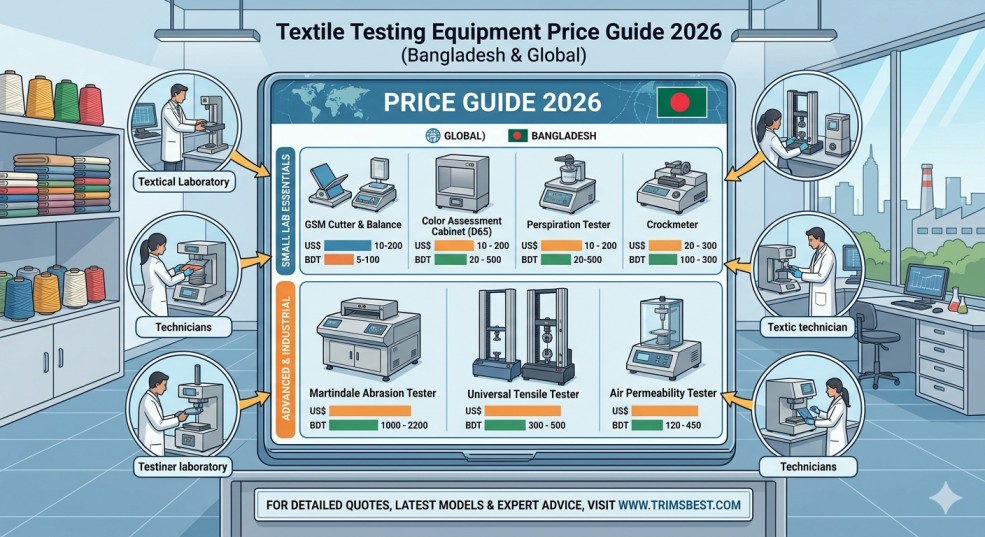
Price Range of Light Box
- Basic models: $300–$800
- Advanced models: $1,000–$3,000
Benefits of Using a Light Box
- Accurate color matching
- Reduced rejection rate
- Improved product quality
- Better customer satisfaction
Internal Linking Strategy
Link this article to:
- Textile Testing Methods Guide
- Fabric Quality Control Article
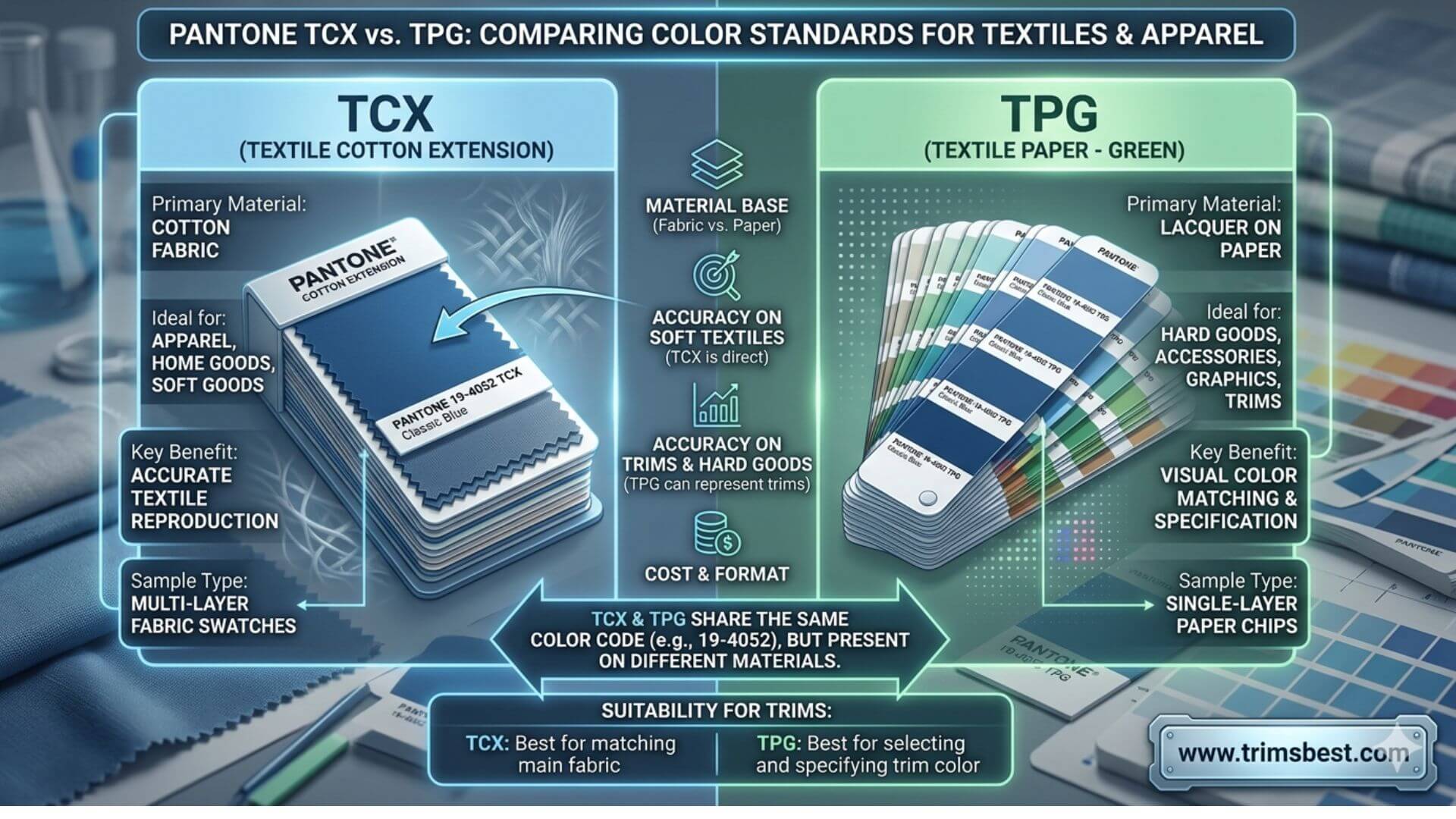
- Pantone Guide Article
Product link:
- Color Matching Light Box product page
Advanced Tips for Professionals
- Use spectrophotometer for precision
- Maintain calibration schedule
- Replace lamps regularly
Future of Color Testing
Modern systems include:
- Digital color analysis
- AI-based matching
- Automated reporting
A color assessment cabinet light box is an essential tool for ensuring color accuracy in textile and garment production. By following proper procedures and best practices, laboratories can achieve consistent and reliable results.
Investing in the right equipment and training ensures high-quality output, reduced defects, and better business performance.
👉 For high-quality color matching light boxes in Bangladesh, contact Trims Best Ltd.