





Pantone TCX Price in Bangladesh | Complete Buyer’s Guide
Pantone TCX Price in Bangladesh: The Complete Buyer’s Guide for Textile & RMG Professionals
If you work in merchandising, quality assurance, dyeing, or sampling anywhere in Bangladesh’s textile and garment industry, you’ve almost certainly heard someone shout “check it against the TCX” during a lab dip approval. But what exactly is Pantone TCX, why has it become the industry standard color reference in Bangladesh, and how do you make sure you’re buying a genuine copy and not a counterfeit? This guide breaks it all down.
What Is Pantone TCX?
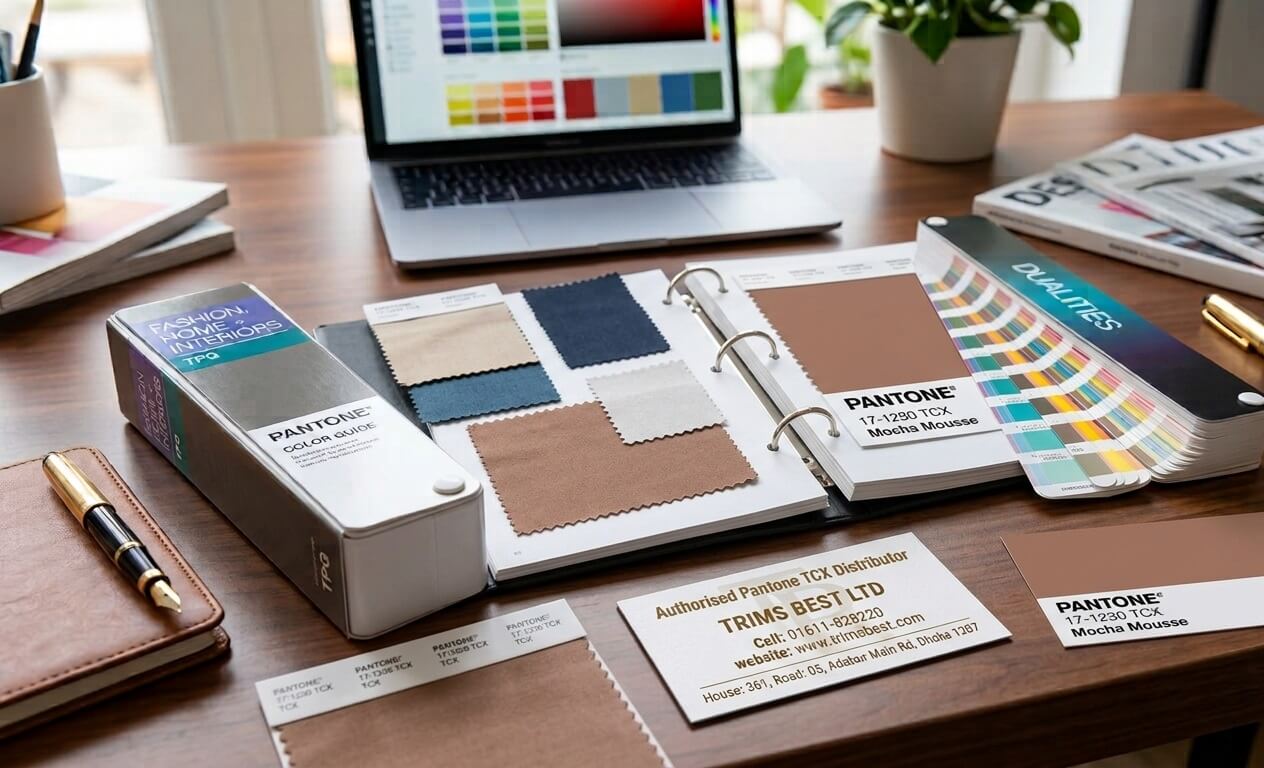
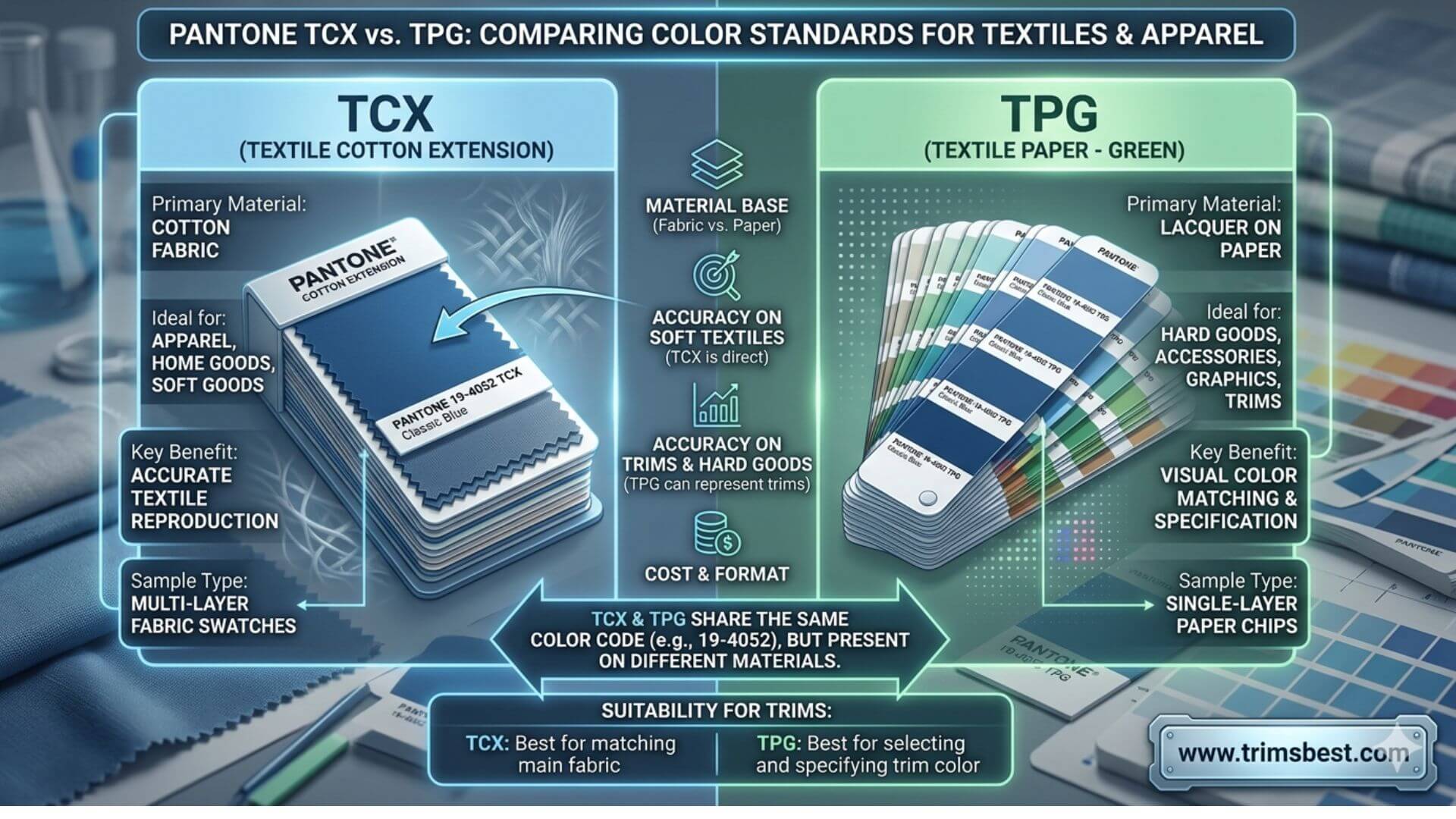
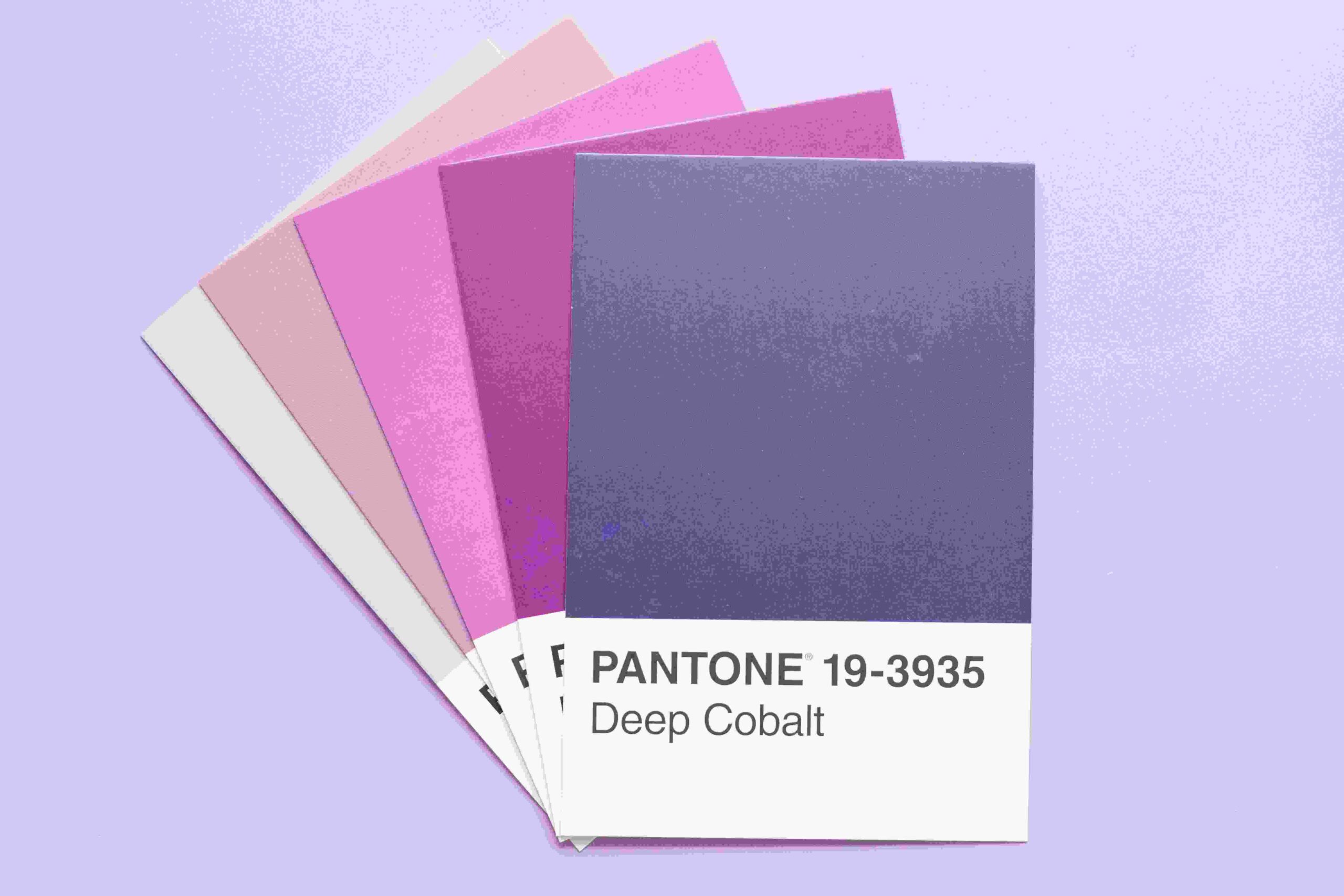
Pantone TCX (Textile Cotton eXtended) is a physical color reference system made of real cotton fabric swatches, rather than printed paper chips. Each swatch is dyed and finished to represent a specific Pantone color, giving designers, merchandisers, and quality teams a fabric-accurate way to communicate and approve color — something a printed page simply cannot replicate.
Because cotton absorbs and reflects light differently than coated paper, a color that looks perfect on a printed swatch can look completely different once it’s dyed onto real fabric. TCX solves this by giving everyone in the supply chain — buyer, merchandiser, dye house, and factory QA — the same physical fabric reference point.
TCX vs TPX vs TPG: What’s the Difference?
This is one of the most common points of confusion for newcomers to the industry, so here’s a quick comparison:
| Format | Material | Primary Use |
|---|---|---|
| TCX | Cotton fabric swatch | Textile & garment color approval, lab dips |
| TPX | Coated/uncoated paper (cotton-backed) | Textile design, mood boards, early concept work |
| TPG | Coated & uncoated paper | Graphic design, packaging, print |
For anyone doing actual production color matching — lab dip approval, shade-band checking, bulk fabric verification — TCX is the correct and industry-preferred tool, because it’s the only format made of real fabric.
Why Pantone TCX Matters So Much in Bangladesh
Bangladesh is one of the world’s largest garment exporters, and buyers from Europe, North America, and beyond expect color accuracy that meets international standards on every single order. Pantone TCX has become essential here for a few clear reasons:
- Universal buyer language: International brands specify color using Pantone TCX codes in their tech packs, so factories need the physical book to interpret and approve against it.
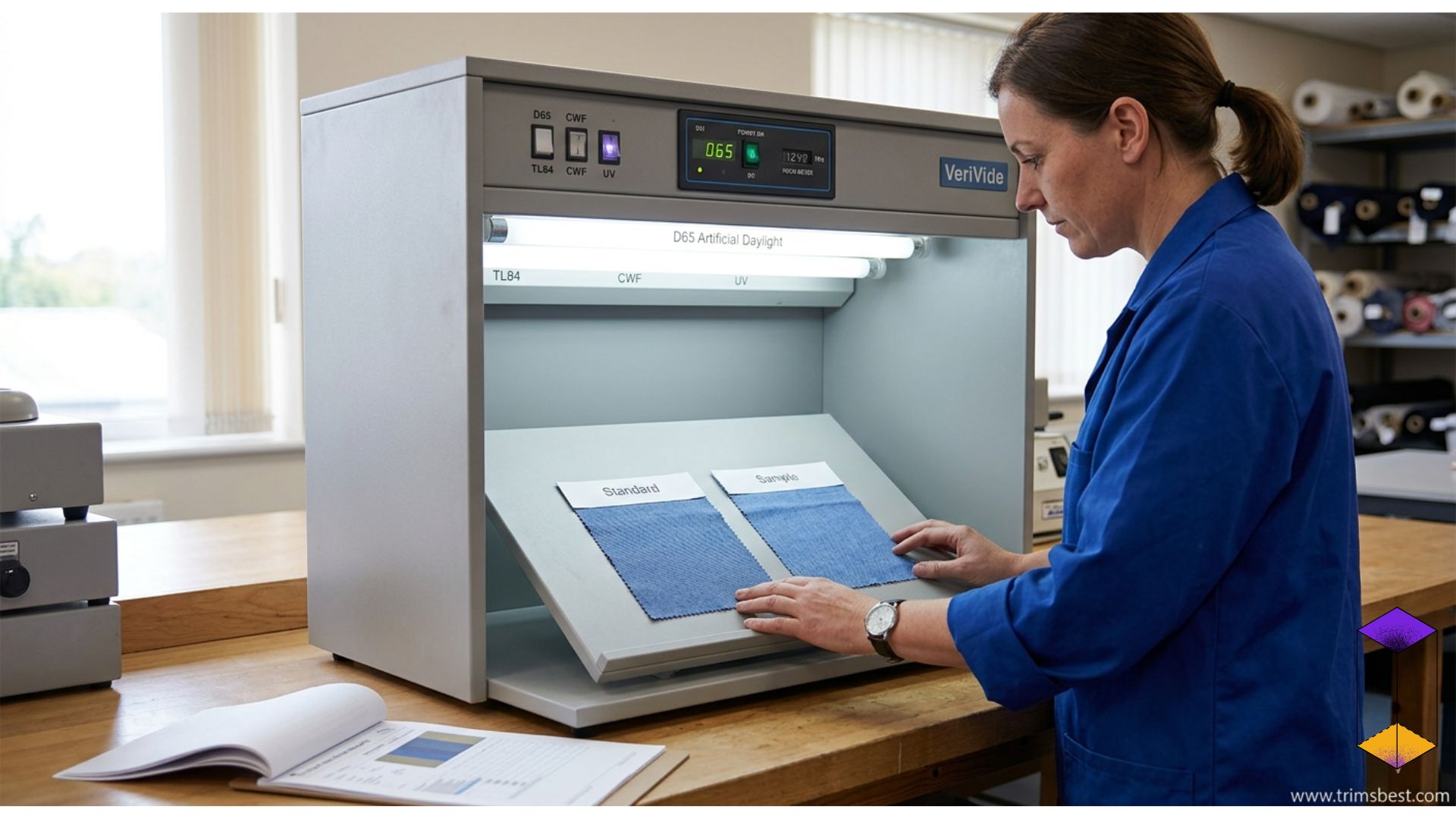
- Lab dip and bulk approval: QA and merchandising teams use TCX swatches side-by-side with lab dips under a color assessment light box (D65, TL84, CWF, UV) to judge whether a shade is within tolerance.
- Reducing costly re-dyes: A wrong color call after bulk dyeing can mean lakhs of taka in wasted fabric. A genuine, well-maintained TCX book prevents this.
- ISO and compliance audits: Buying houses and factories with ISO 9001-accredited labs are increasingly expected to show a proper, up-to-date color reference system as part of their quality process.
-
Where Bangladesh’s RMG Industry Uses Pantone TCX
Bangladesh’s garment manufacturing is concentrated in a handful of industrial zones, and each has its own concentration of buying houses, dye labs, and QC teams who rely on Pantone TCX daily:
- Dhaka & Uttara: Home to most buying house head offices and merchandising teams who first receive tech packs with Pantone TCX color codes from international brands.
- Gazipur & Ashulia: Dense concentration of large knit and woven composite factories with in-house dye labs running daily lab dip approvals against TCX swatches.
- Narayanganj: A major hub for dyeing, printing, and finishing units where bulk fabric shade-checking against TCX is part of the daily QC routine.
- Chattogram (Chittagong): Port-adjacent garment and denim manufacturing units, plus export processing zones, where color compliance documentation is checked before shipment.
- Savar & Dhamrai: Large-scale knitwear and woven factories serving major international retailers with strict color tolerance requirements.
If your factory or buying house is based in any of these zones, sourcing a genuine TCX guide locally — rather than importing individually — means faster replacement when swatches fade and someone to call when you need to verify authenticity.
How TCX Is Actually Used on the Factory Floor
- Tech pack received — buyer specifies a Pantone TCX code for a garment or fabric.
- Lab dip developed — the dye lab produces a sample dip attempting to match that code.
- Visual + instrumental check — the lab dip is compared to the physical TCX swatch inside a calibrated light box, often backed by a spectrophotometer reading (CMC or DE2000 value).
- Approval or rejection — if the color difference is within the agreed tolerance (commonly CMC ≤ 1.0), it’s approved for bulk; if not, it’s redipped.
- Bulk fabric shade check — once bulk fabric is dyed, it’s checked again against the same TCX reference to confirm shade consistency across the lot.
This is why having a genuine, non-faded, properly stored TCX book matters so much — a worn-out or counterfeit copy introduces color error into every single step above it.
Genuine vs Counterfeit: What to Watch For
Because Pantone books are imported and in high demand, Bangladesh’s market does see counterfeit or degraded copies circulating at “too good to be true” prices. Common warning signs:
- Colors that look slightly off or inconsistent between swatches of the same page
- Missing or incorrect Pantone reference codes
- No authentic Pantone hologram/security seal
- Significantly lower price than the standard import cost
Since a color reference tool is only useful if the color itself is accurate, sourcing from an authorized textile equipment supplier in Bangladesh — rather than an unverified online reseller — is the safest route.
Pantone TCX Price in Bangladesh — What to Expect
Pantone TCX pricing in the Bangladesh market varies by format and current import cost:
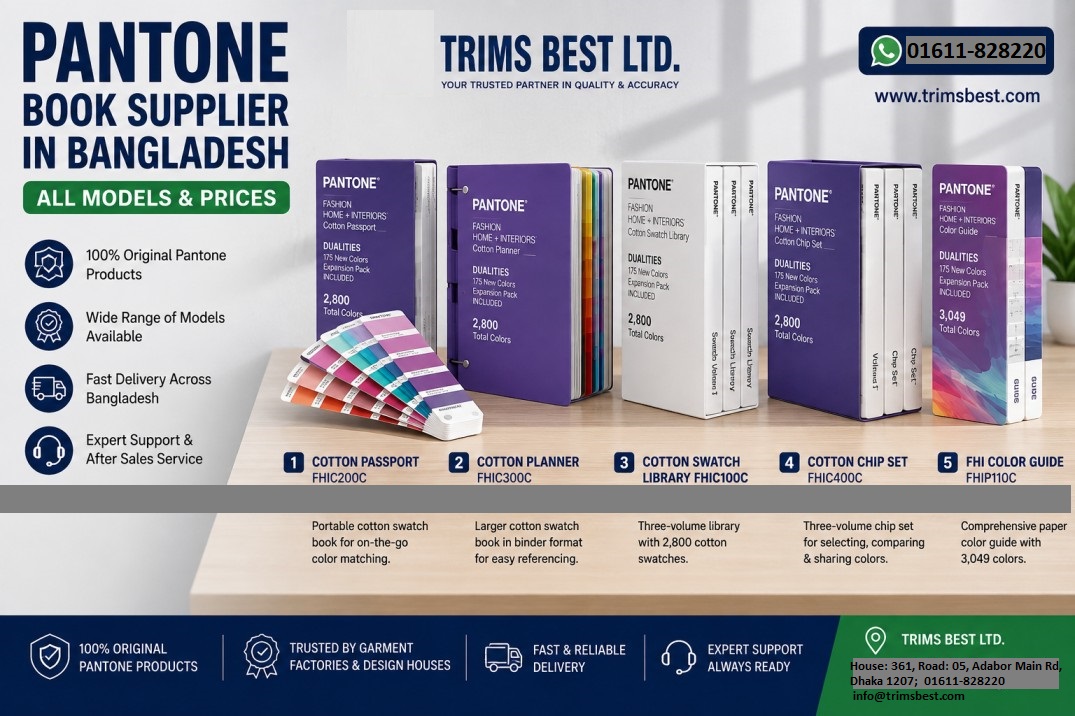
- TCX Cotton Passport (portable format): Typically, the most affordable entry point, popular with merchandisers who travel between factories and buying house offices.
- Full TCX Cotton Planner / Chip Set: Higher cost given the larger color range (2,000+ shades), standard for dye labs and QC departments doing daily lab dip work.
Where to Buy Genuine Pantone TCX in Bangladesh
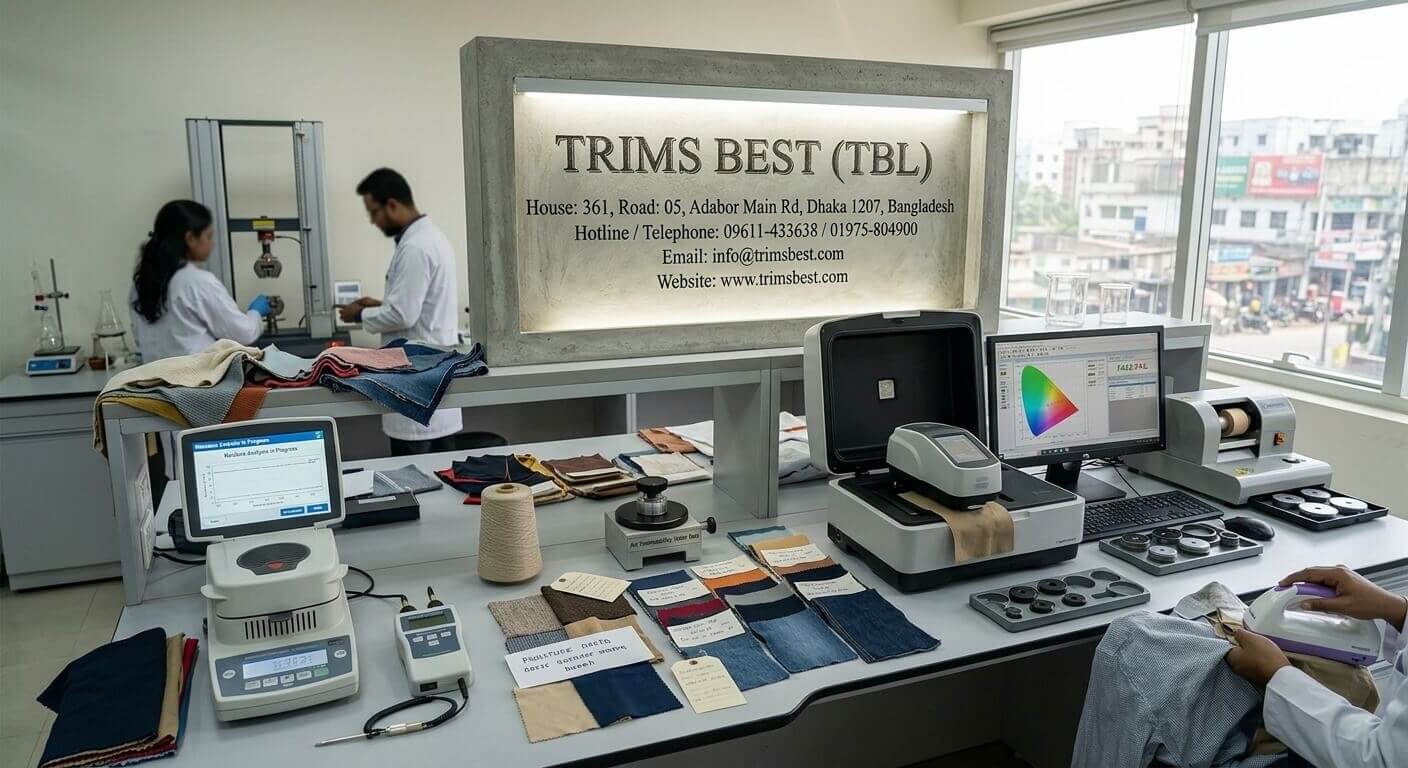
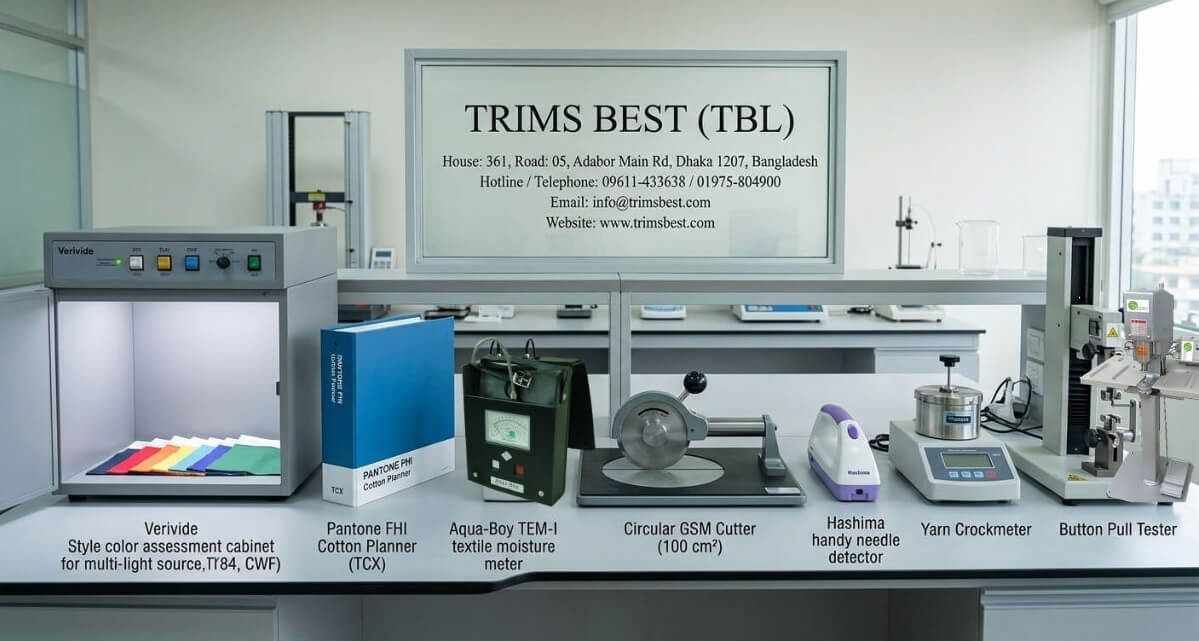
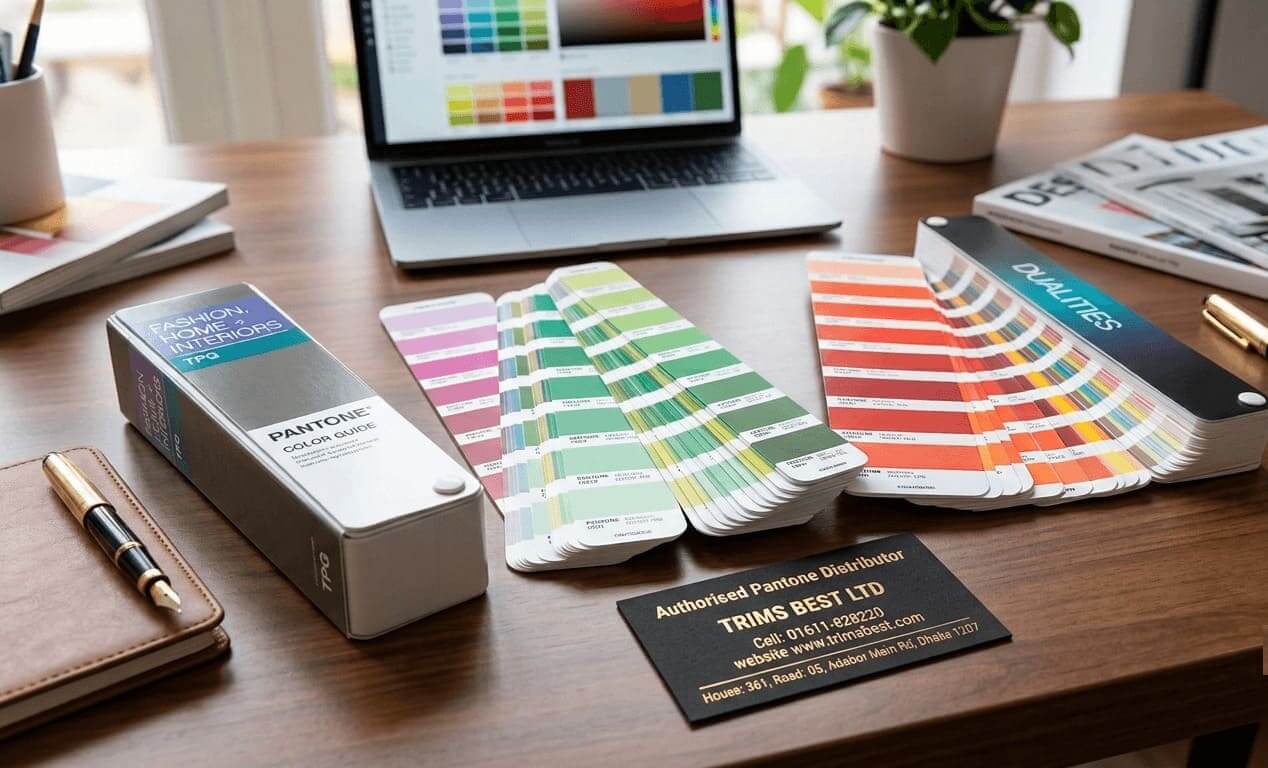
Trims Best Ltd., based in Dhaka, supplies genuine Pantone color guides — including TCX, TPX, TPG, and the Cotton Passport — along with the complementary lab equipment Bangladesh’s textile and RMG factories rely on for color QA:
- Pantone TCX Cotton Passport & Color Guides
- D65 / TL84 / CWF / UV color assessment light boxes
- Spectrophotometers and shade-matching accessories
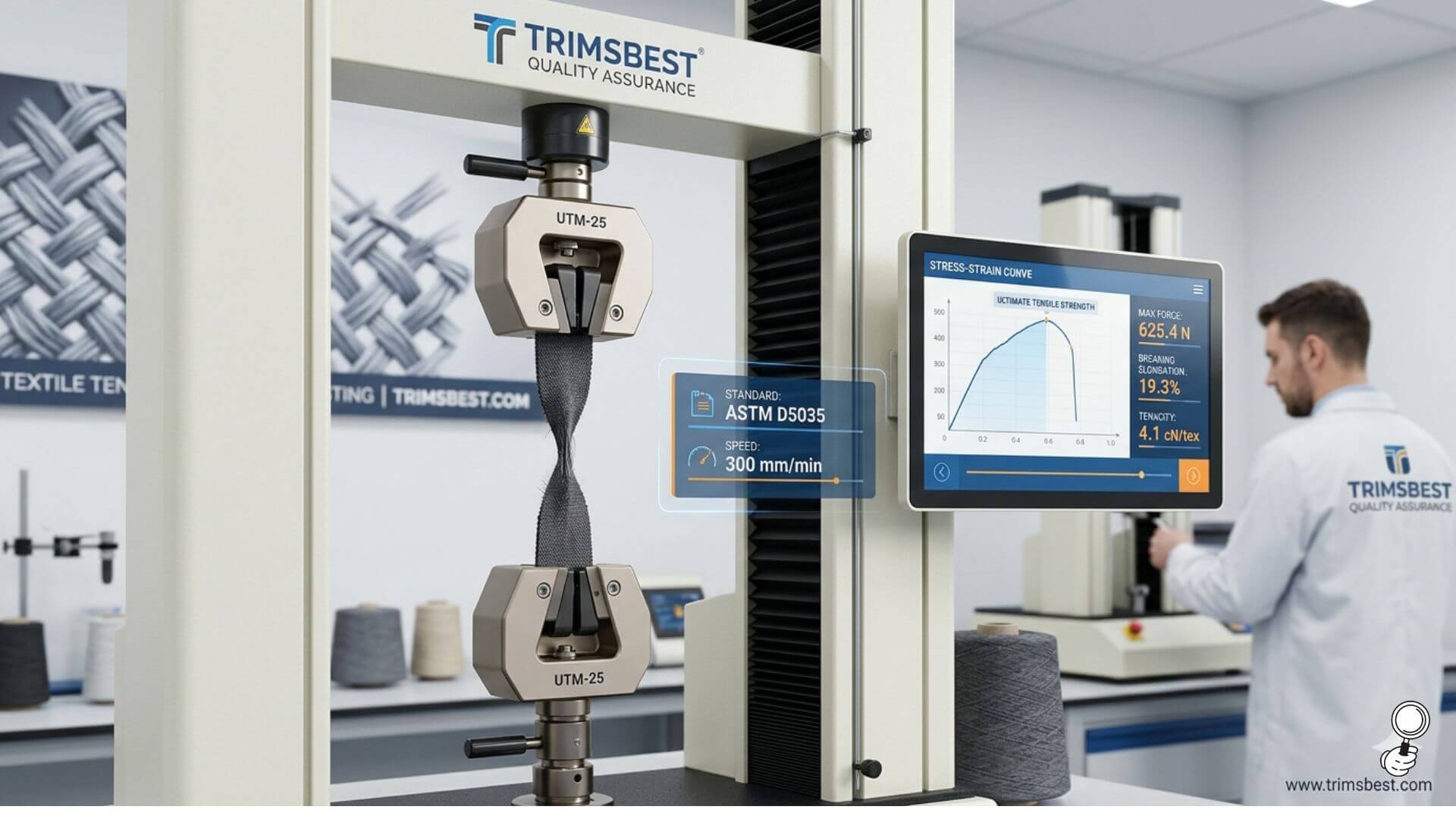
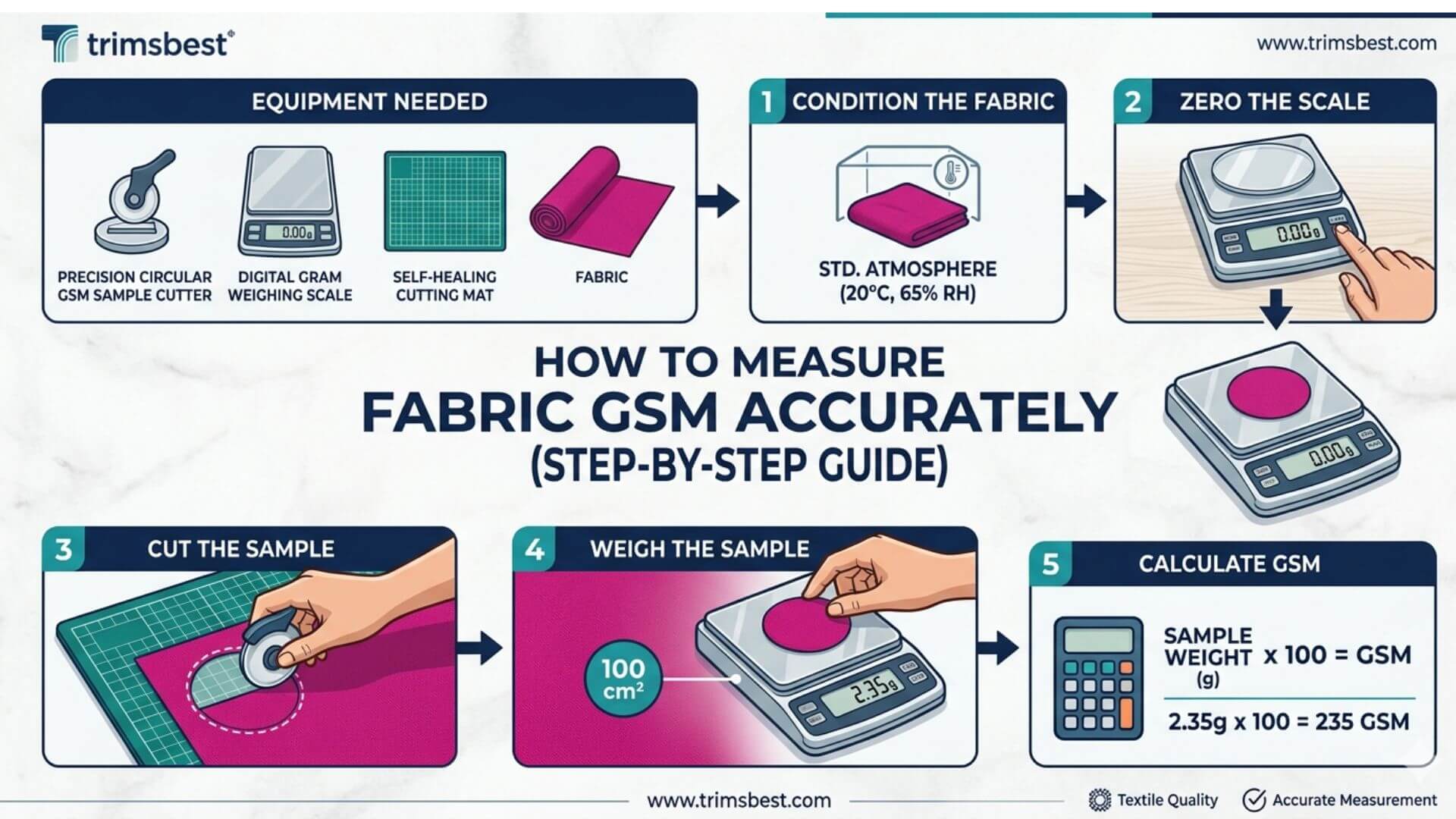
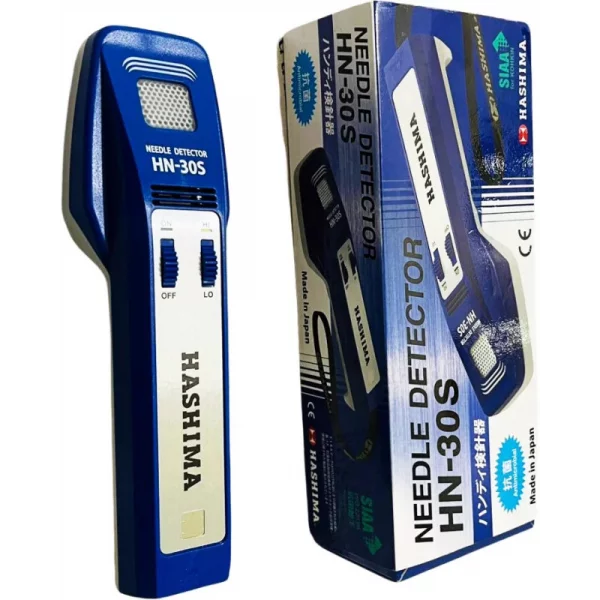
- Needle detectors, GSM cutters, pull testers, and other in-house QA lab equipment
📞 Contact: 01971828220 / 01975804900 ✉️ Email: info@trimsbest.com 🌐 Website: trimsbest.com
Frequently Asked Questions
Is Pantone TCX the same as the Cotton Passport? The Cotton Passport is Pantone’s portable TCX format — smaller and easier to carry for sourcing visits and factory audits, while the full TCX guide offers the complete color range for lab use.
How often should a factory replace its TCX book? Pantone swatches can fade with light exposure and handling. Most quality labs replace or re-verify their color books every 1–2 years, or sooner if swatches show visible fading.
Can TCX be used instead of a spectrophotometer? TCX is a visual reference standard, best used alongside instrumental measurement (spectrophotometer/CMC values) rather than as a total replacement, for the most objective color approval.
Does buying houses in Bangladesh require TCX for compliance? Many international buyers expect factories and buying houses to reference Pantone TCX in their color approval process as part of standard quality documentation, especially for ISO-accredited labs.
Looking for the genuine Pantone TCX guide or color assessment lab equipment in Bangladesh? Contact Trims Best Ltd. for authentic products and fast delivery across Dhaka and nationwide.