

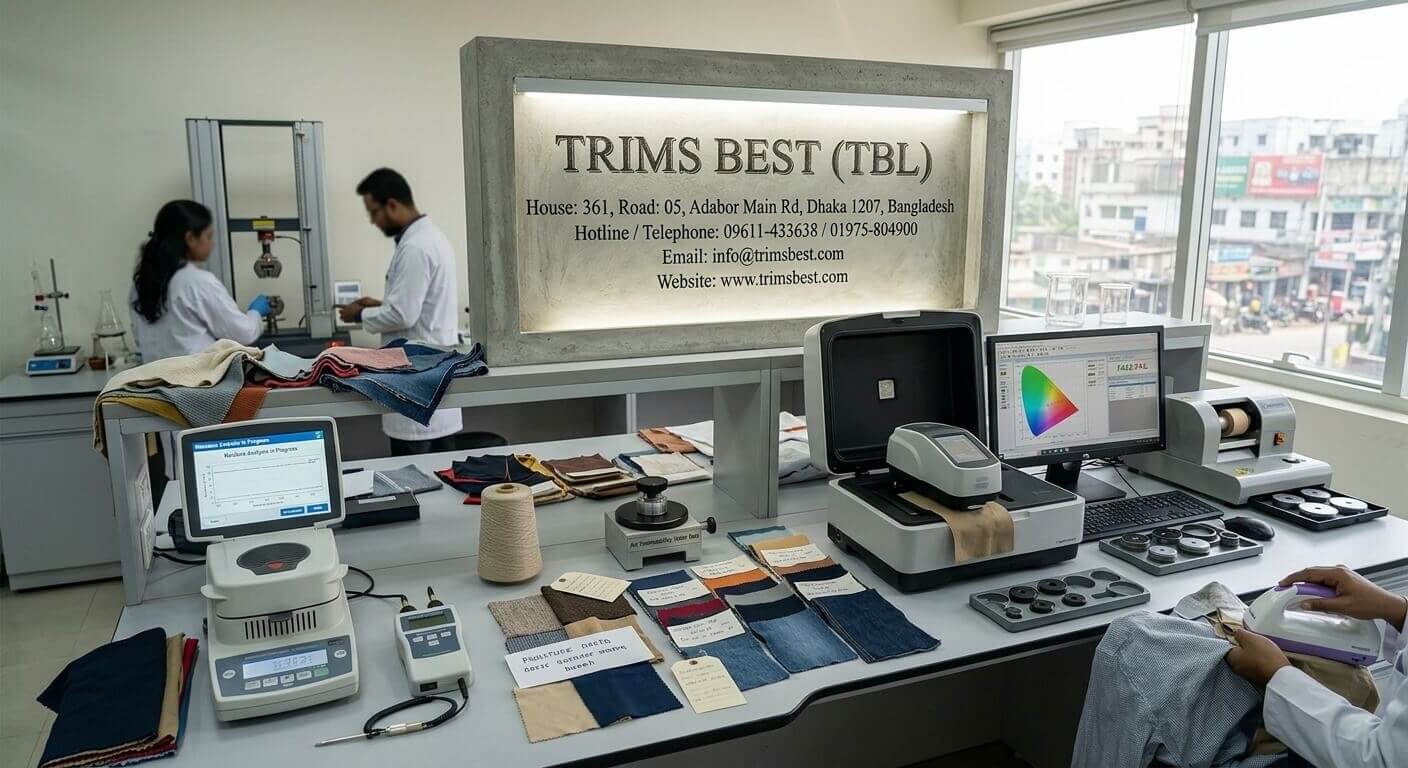

Textile Testing Lab Equipment Guide for Bangladesh
The Complete Guide to Choosing Textile Testing Lab Equipment in Bangladesh
Bangladesh’s garment and textile factories don’t get to choose whether they run an in-house QC lab — buyers like H&M, Zara, Walmart, and Decathlon require it before they’ll place an order. The harder question is which equipment to buy first, how much it actually costs, and what a lab needs to pass a real compliance audit rather than just look complete on paper.
This guide walks through every major category of textile testing equipment used in Bangladesh’s RMG and textile industry, what each instrument actually tests, realistic price ranges, and how to sequence purchases if you’re building a lab from scratch or upgrading an existing one.
Why This Guide Exists
Most equipment supplier websites in Bangladesh list SKUs with a price tag and a few generic lines about “precision and durability.” That tells you what’s for sale — it doesn’t tell you what your lab actually needs, in what order, or why. This guide is built the other way around: starting from what buyers and standards require, then mapping that back to the instruments that satisfy it.
Quick-Reference: Equipment Categories at a Glance
| Category | What It Tests | Typical BD Price Range | Priority for a New Lab |
|---|---|---|---|
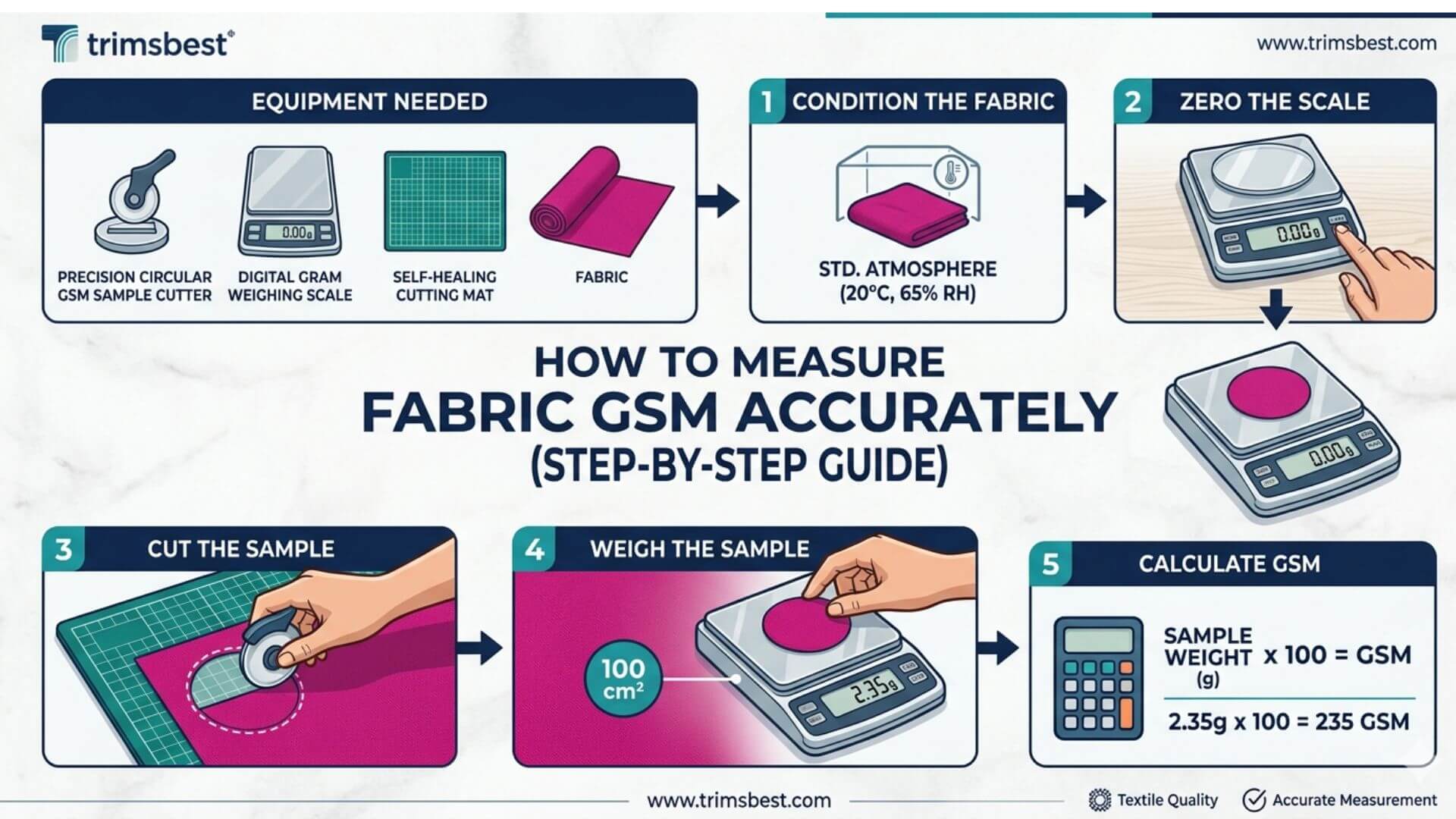
| GSM Balance & Cutter | Fabric weight per square metre | ৳6,500 – ৳25,000 | Essential (Day 1) |
| Colour Assessment Cabinet / Lightbox | Shade matching under standard light sources | ৳45,000 – ৳150,000+ | Essential (Day 1) |
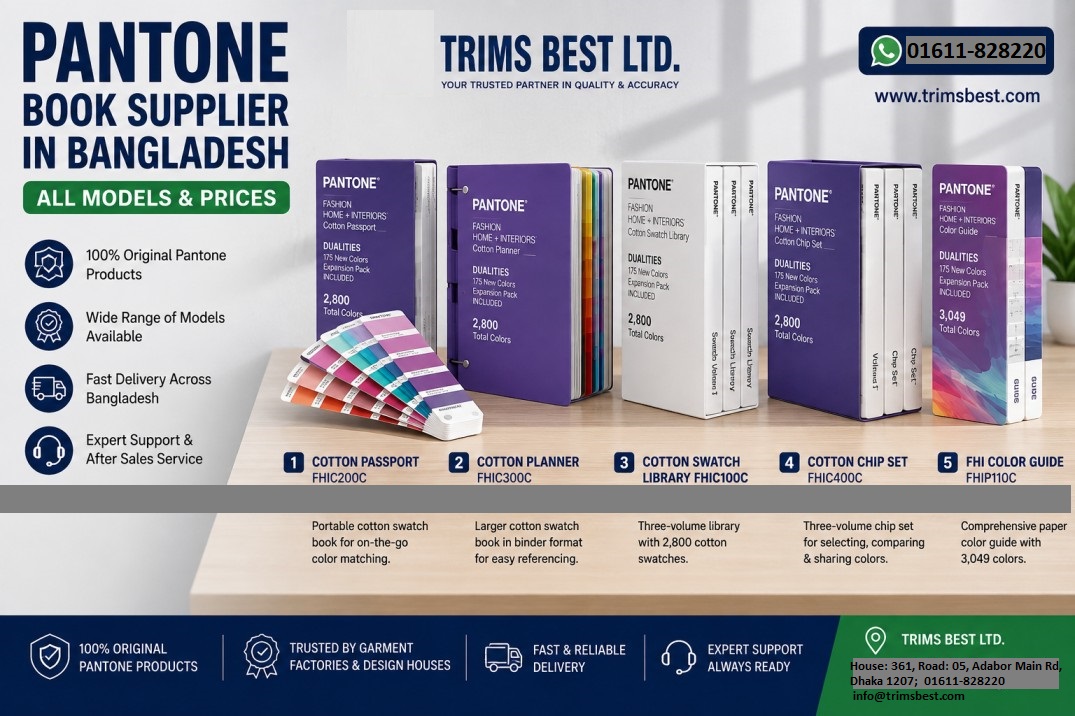
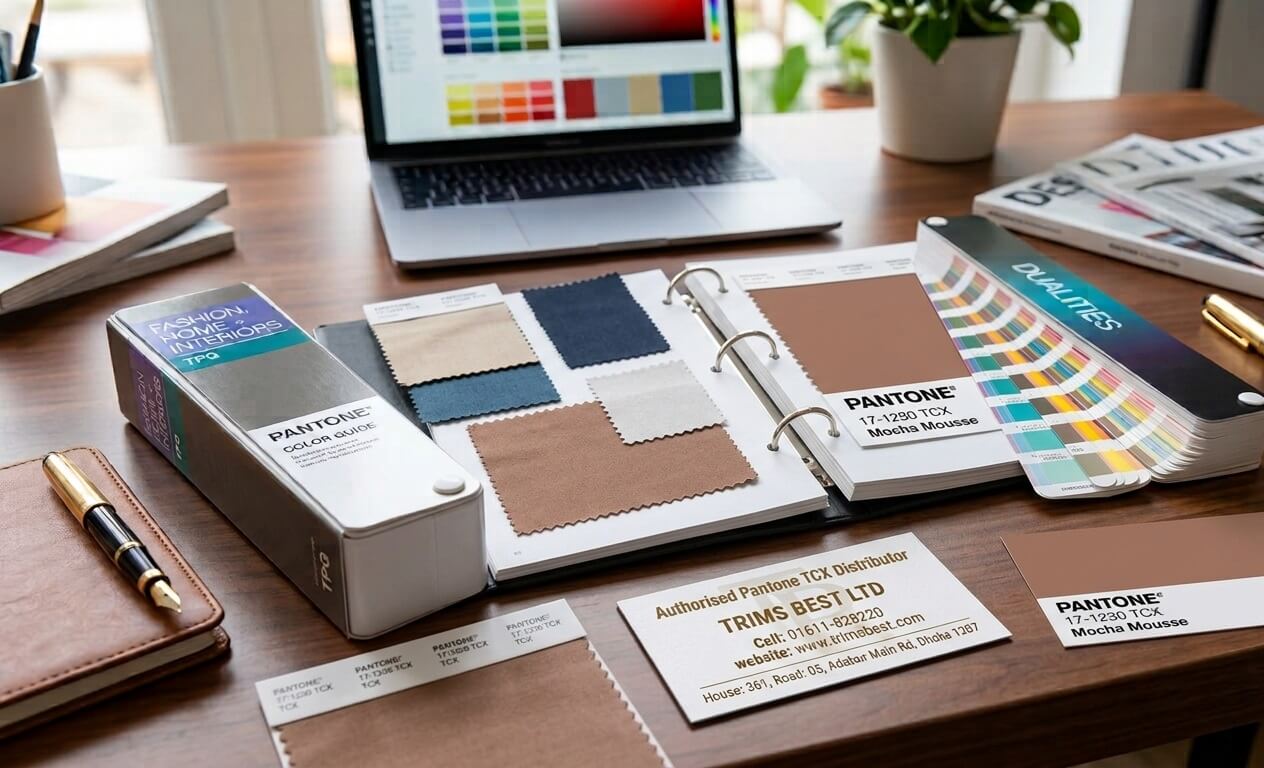
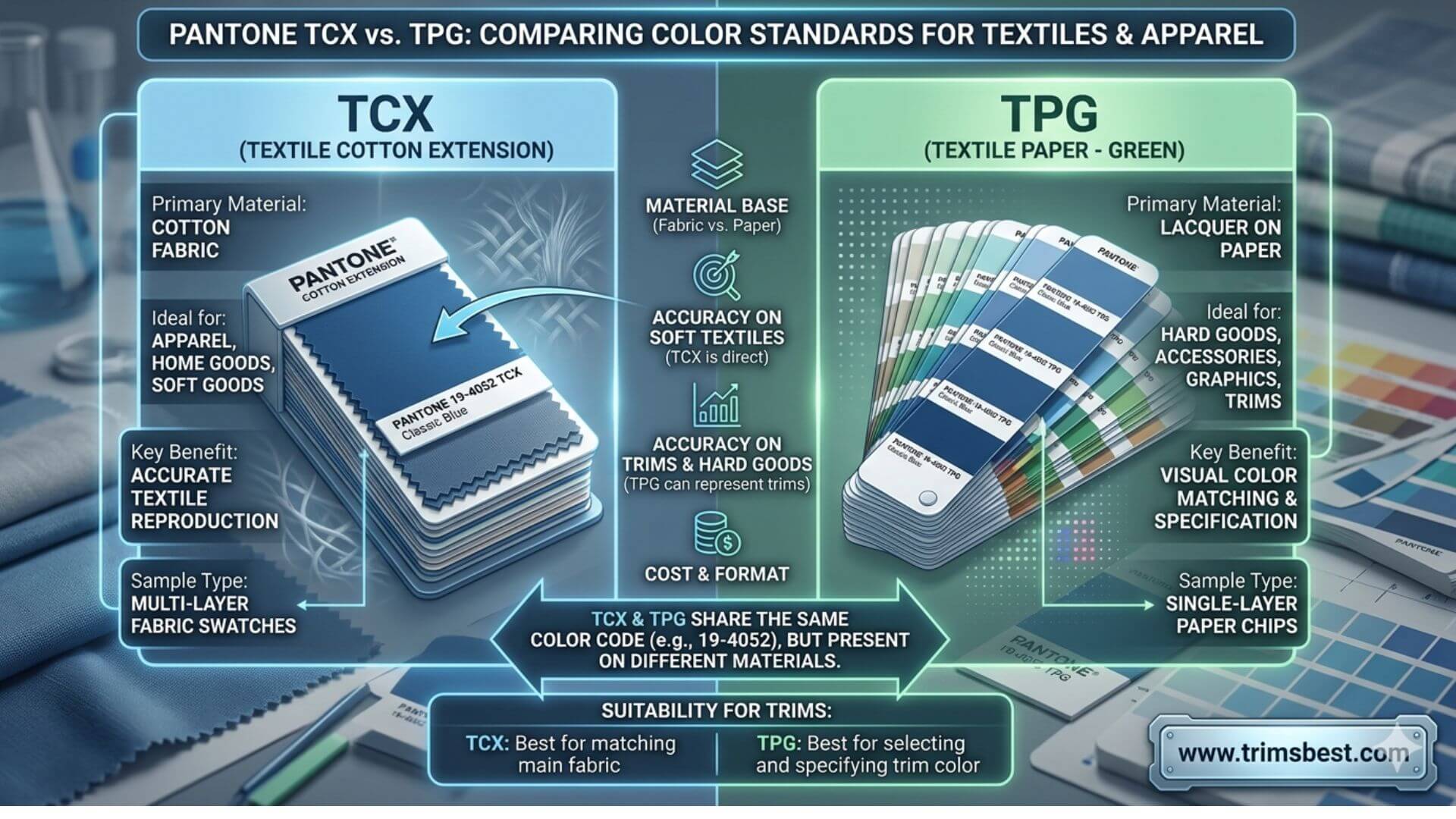
| Pantone Books (TCX/TPG/C·U) | Colour communication & approval | ৳24,000 – ৳45,000 per book | Essential (Day 1) |
| Crockmeter | Colour fastness to rubbing (AATCC 8 / ISO 105-X12) | ৳65,000 – ৳2,65,000 | High priority |
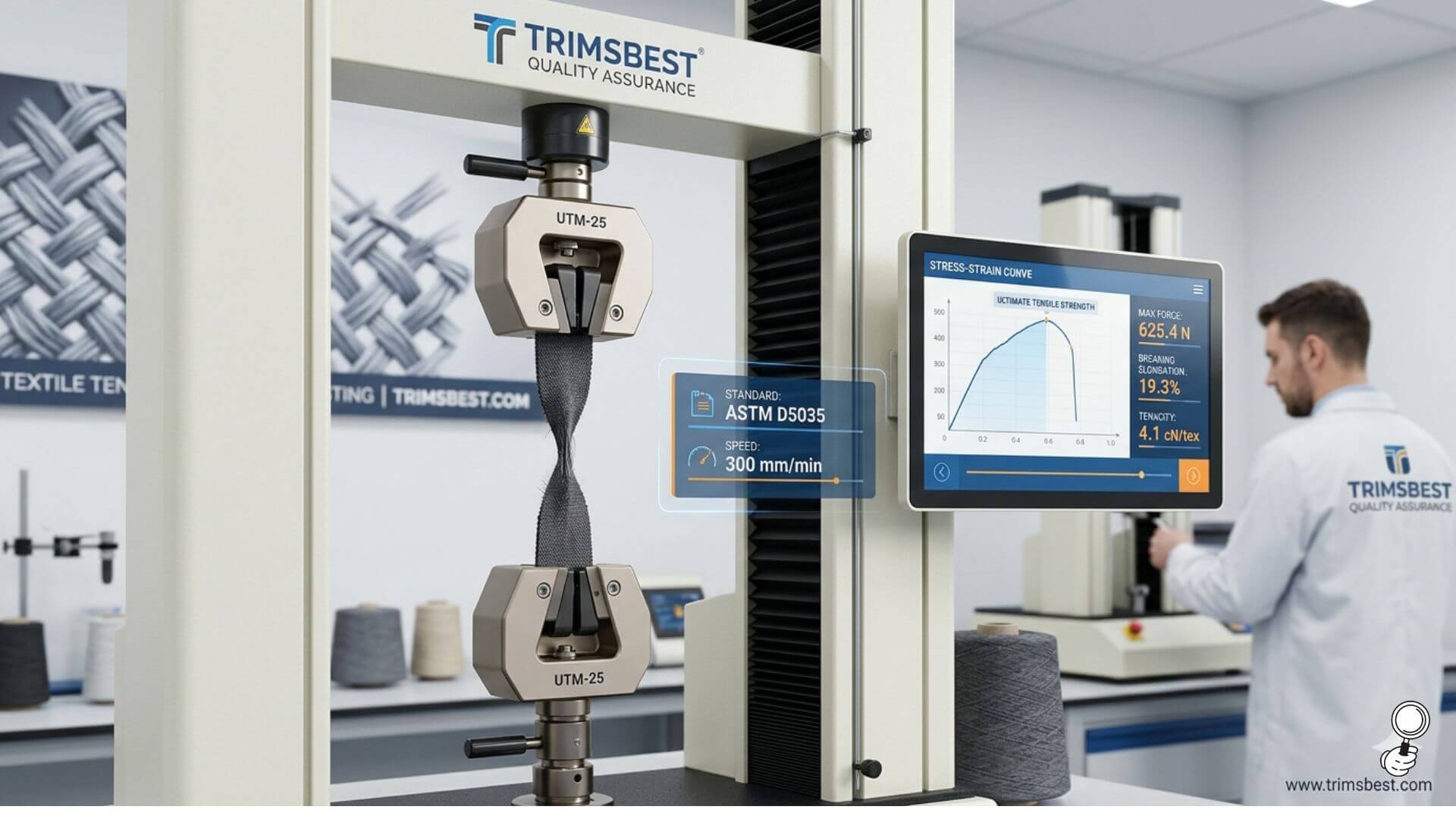
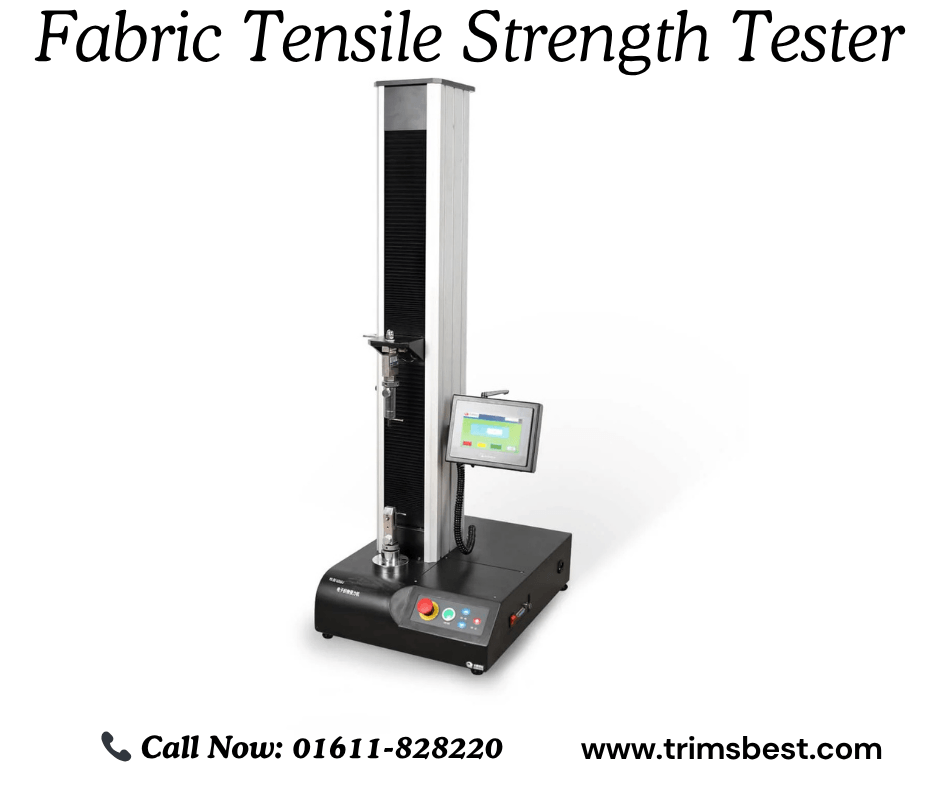
| Tensile Strength Tester | Fabric/yarn breaking strength & elongation | ৳3,00,000 – ৳10,00,000+ | High priority |
| Moisture Meter | Fabric, yarn, and paper moisture content | ৳8,000 – ৳50,000 | Medium priority |
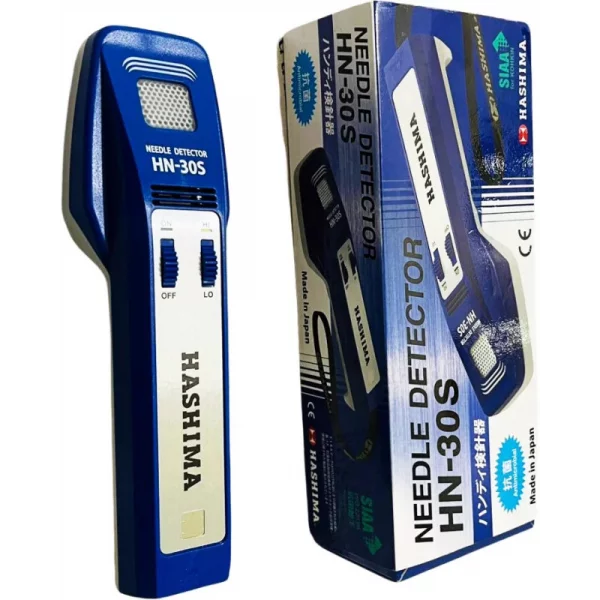
| Needle Detector | Metal contamination screening (buyer requirement) | ৳25,000 – ৳95,000 | Required by most buyers |
| Precision/Chemical Balance | Dye recipe and chemical measurement | ৳15,000 – ৳2,45,000 | Medium priority |
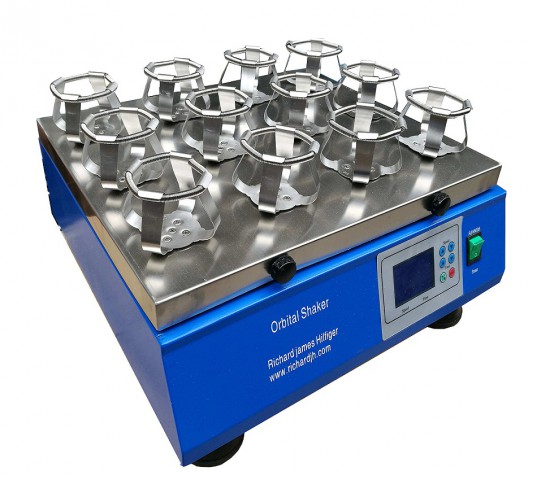
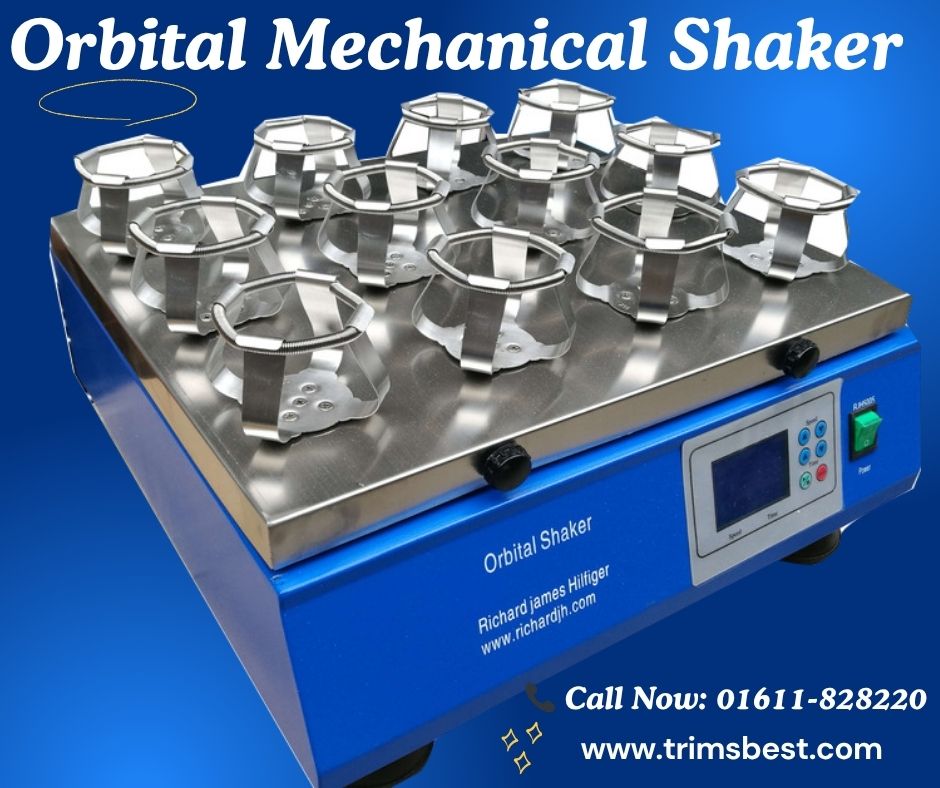
| Orbital/Mechanical Shaker | Wash and colour fastness test agitation | ৳65,000 – ৳2,95,000 | Medium priority |
| Industrial Dehumidifier | Protects fabric, yarn, and equipment from humidity damage | ৳85,000 – ৳3,65,000 | Facility-level, not per-test |
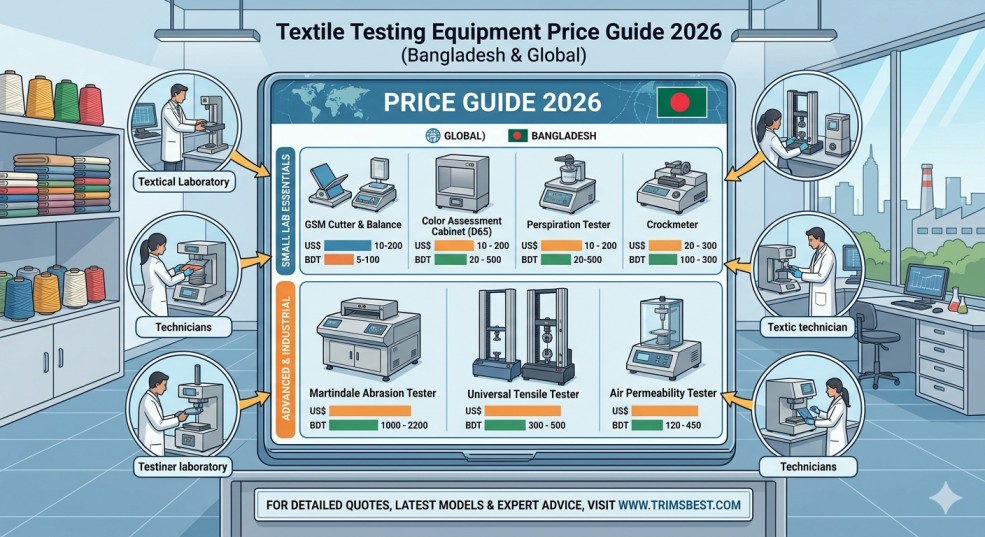
Prices are indicative ranges compiled from current Bangladesh market listings as of 2026 and vary by brand, capacity, and import channel. Always confirm current pricing directly — see the equipment-specific guides linked throughout this article for detailed breakdowns.
Building a Lab in the Right Order
Stage 1 — The Non-Negotiables (Every Lab Needs These First)
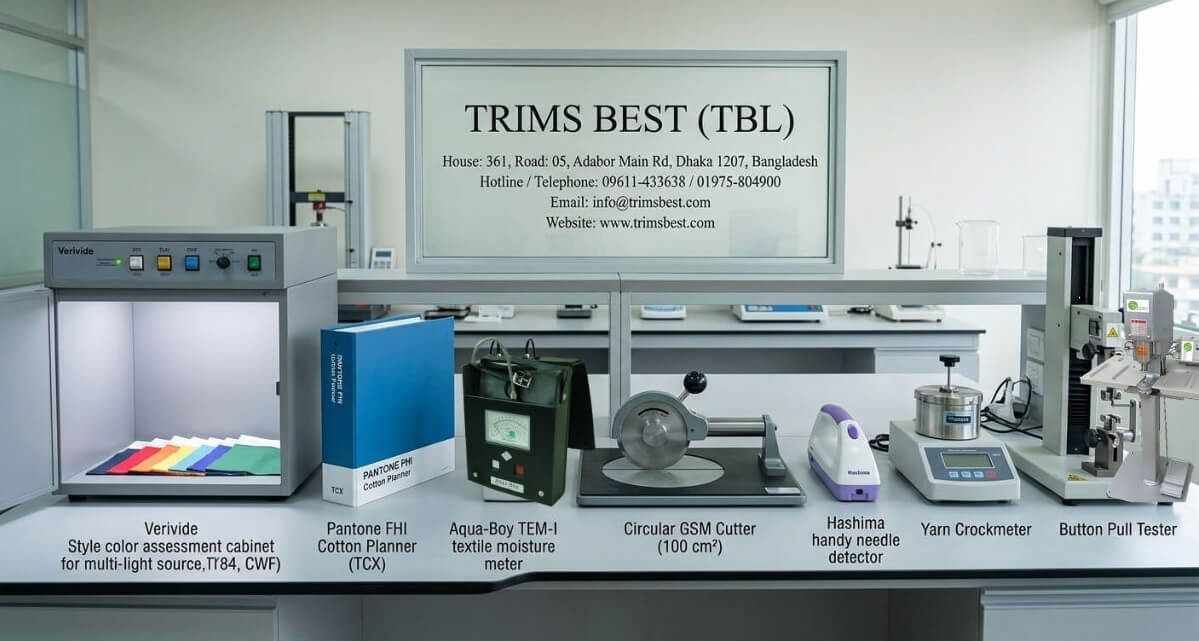
GSM Balance and Cutter. Fabric weight (grams per square metre) is checked on nearly every incoming and outgoing shipment. It’s the cheapest instrument on this list and the one you’ll use daily, which is why it’s almost always the first purchase for a new lab.
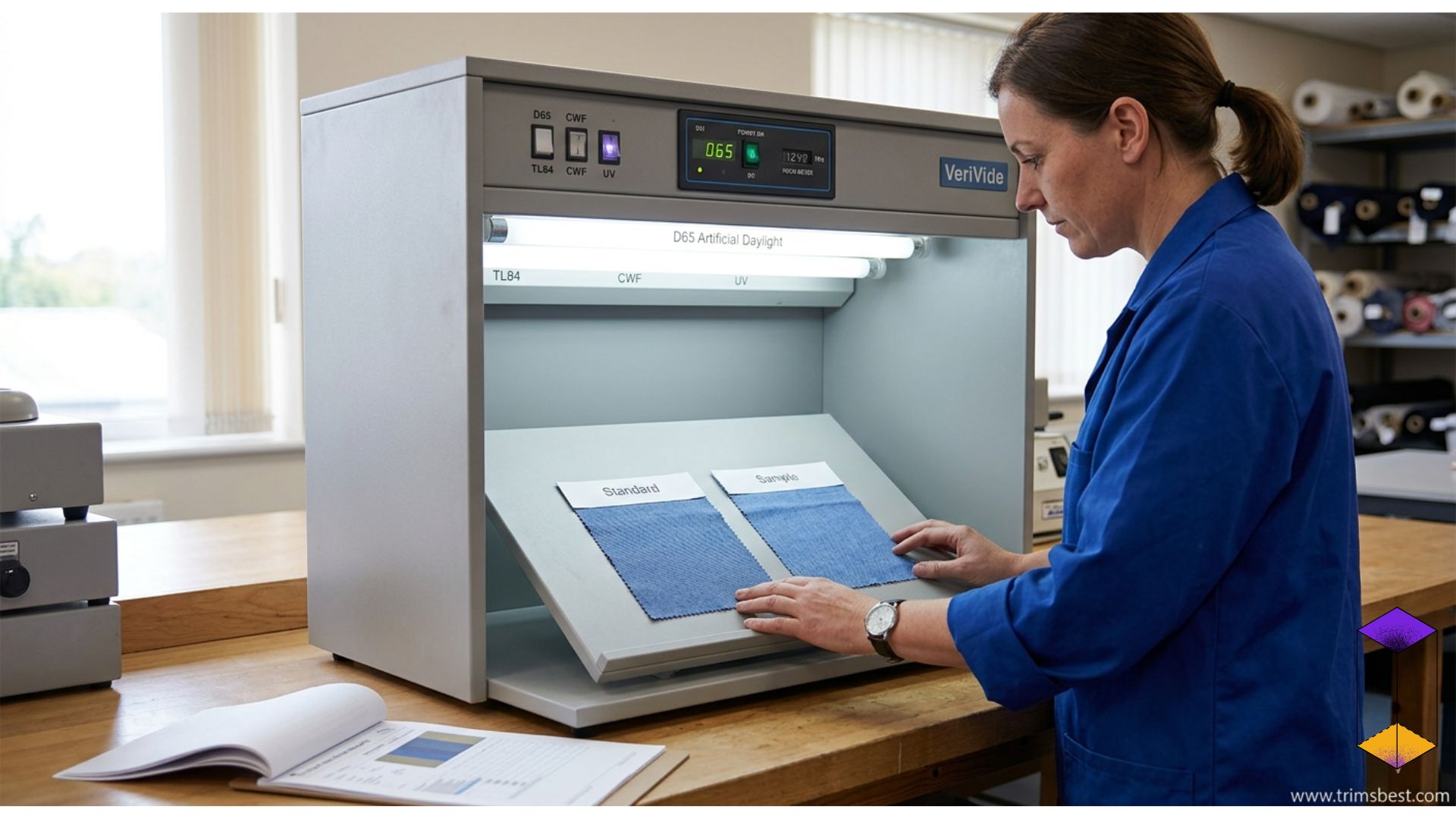
Colour Assessment Cabinet (Lightbox). Shade approval happens under controlled light sources — D65, TL84, UV, CWF — because fabric that matches under sunlight can look completely different under a shop’s fluorescent lighting. A buyer will reject shipments over shade variance alone, so this is not optional equipment.
Pantone Colour References. TCX (cotton), TPG (paper), and C·U (coated/uncoated) editions each serve a different stage of colour communication between merchandiser, buyer, and dye house. Most labs need at least the TCX set to start.
Stage 2 — Compliance-Driven Additions
Once the basics are running, the next purchases are usually driven by a specific buyer’s vendor manual or an upcoming BSCI, WRAP, or ISO 17025-linked audit:
- Needle Detector — almost universally required once you’re supplying international apparel buyers, regardless of factory size.
- Crockmeter — required wherever colour fastness to rubbing is part of the buyer’s testing protocol, which is standard for most export orders.
- Tensile Strength Tester — required for woven fabric and safety-critical products; a larger investment, so many smaller labs start by outsourcing this test before buying their own machine.
Stage 3 — Scale and Specialisation
- Precision/Chemical Balance for dye houses and labs running their own recipe formulation.
- Orbital Shaker for labs running wash-fastness and colour-fastness-to-washing tests in-house rather than sending samples out.
- Moisture Meter for factories with significant yarn or fabric storage, where moisture content affects both weight-based pricing and mildew risk.
- Industrial Dehumidifier — not a testing instrument, but a facility investment that protects everything else in the list. Bangladesh’s humidity (especially through the monsoon months) can distort GSM readings, degrade stored fabric, and damage sensitive electronics in the lab itself.
Matching Equipment to Standards
Buyers rarely ask for equipment by name — they ask for compliance with a testing standard, and the standard implies the instrument:
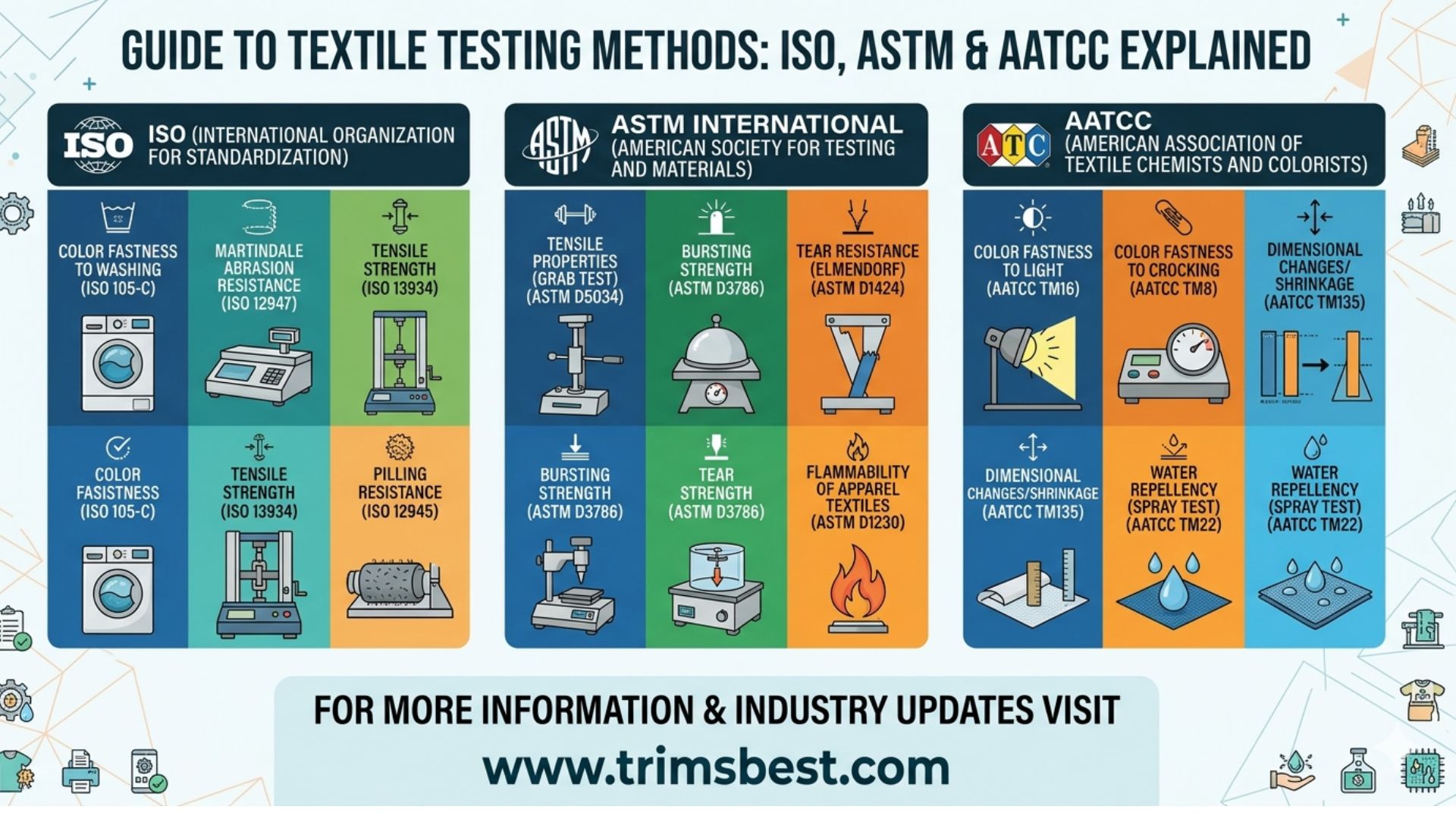
- ASTM D5034 / ISO 13934 → Tensile strength tester
- AATCC 8 / ISO 105-X12 → Crockmeter (colour fastness to rubbing)
- ISO 3801 / ASTM D3776 → GSM balance
- AATCC Grey Scale / ISO 105-A02 → Grey scale for visual grading of colour change and staining
If you’re unsure which standard your buyer requires, check their vendor manual first — it will usually list the exact test method, and the instrument follows from there.
Budgeting by Lab Size
Starter lab (small factory, first-time export compliance): GSM balance, one colour assessment cabinet, one Pantone TCX book, and a needle detector. This covers the equipment most vendor manuals ask for at minimum and can typically be assembled for well under ৳3,00,000 depending on brand and capacity chosen.
Growth lab (established exporter, multiple buyers): Add a crockmeter, a second Pantone edition (TPG or C·U depending on your product mix), and a precision balance if you run any in-house dye work.
Full compliance lab (large factory or vertically integrated mill): Add a tensile strength tester, orbital shaker, moisture meter, and appropriately sized industrial dehumidifiers for fabric and yarn storage areas.
Common Mistakes When Building a New Lab
- Buying a tensile tester before a lightbox. Shade rejection is the single most common cause of shipment rejection in Bangladesh’s RMG sector, yet it’s often deprioritised in favour of bigger, more impressive-looking machines.
- Skipping calibration planning. An instrument that isn’t calibrated on schedule can fail an audit just as badly as not owning it at all. Build a calibration calendar the same week you take delivery.
- Ignoring humidity control. A GSM balance or tensile tester can give inconsistent readings in an uncontrolled, humid lab environment — the dehumidifier is part of your testing accuracy, not a separate facilities issue.
- Buying Pantone editions your buyers don’t actually use. Confirm with your merchandising team which edition (TCX, TPG, or C·U) your specific buyers reference before purchasing — they are not interchangeable.
Frequently Asked Questions
What’s the minimum equipment needed to start exporting from Bangladesh? Most first-time exporters need at minimum a GSM balance, a colour assessment cabinet, a relevant Pantone colour reference, and a needle detector — these four appear in nearly every buyer vendor manual reviewed.
How much does it cost to set up a basic textile QC lab in Bangladesh? A starter lab covering the essentials above typically costs well under ৳3,00,000, though the exact figure depends on brand, capacity, and whether you buy new or reconditioned equipment.
Do I need an ISO 17025-accredited lab to export garments? Not always — many buyers accept an in-house lab that follows recognised test methods without full ISO 17025 accreditation, but some buyers and product categories (especially safety-related) require it. Check your specific buyer’s vendor manual.
How often should textile testing equipment be calibrated? This varies by instrument — balances and tensile testers are typically calibrated more frequently than cabinets or shakers. A full instrument-by-instrument calibration schedule is covered in a separate guide linked below.
Where to Buy Genuine Equipment in Bangladesh
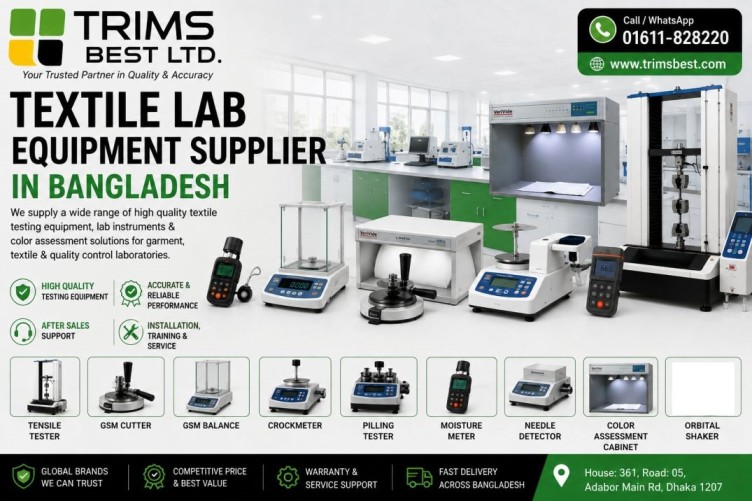
Trims Best Ltd. supplies textile testing lab equipment, Pantone colour references, colour assessment cabinets, moisture meters, and industrial dehumidifiers across Bangladesh, with current in-stock models and pricing listed by category. Explore the categories linked throughout this guide, or contact the team directly for a full lab-equipment quote sized to your factory.
Related guides on this site: